
Showing Up for Those Who Show Up Every Day
Building communities that show up means caring for vulnerable children and families. It also means finding practical ways to support child welfare professionals who serve them every day.
“We See You” is part of Care for Caseworkers, a national effort coordinated by Promise686 to encourage and strengthen child welfare professionals.
Why This Matters
This October, Chestnut Mountain Village will encourage and equip churches across West Virginia to say “thank you” to local child welfare professionals. Did you know that both caseworker retention and turnover have a tremendous impact on outcomes for children? These workers carry a heavy load. A simple “thank you” can provide meaningful encouragement. It can remind them that people see, value, and appreciate their difficult work.
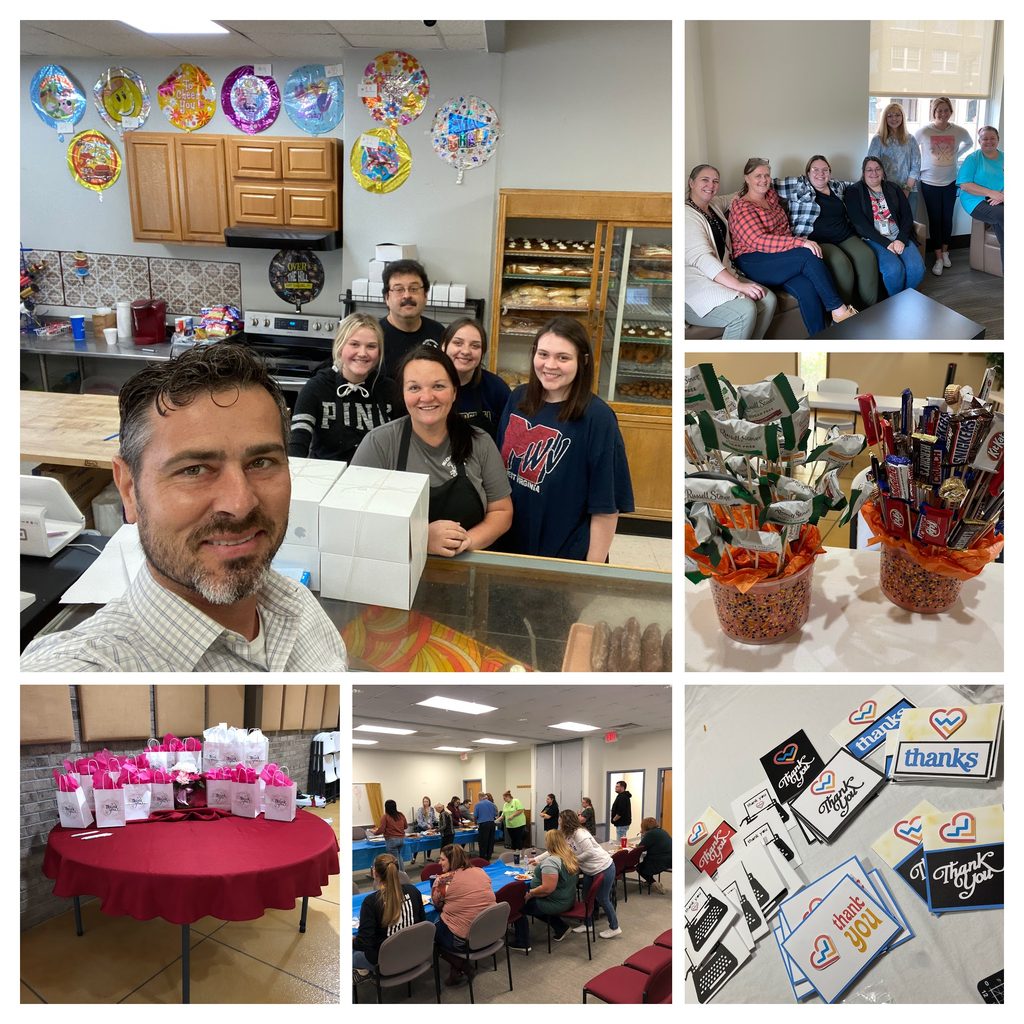
Ways to Support Child Welfare Professionals
Do you know someone who works in child welfare? If so, it’s always a good time to let them know you appreciate the difficult work they do every day.
Sometimes showing up is surprisingly simple. A meal, a handwritten note, a small gift, or a sincere thank you can remind someone carrying a difficult load that their work matters.
Start by connecting with your local child welfare office and asking what would be helpful. Then choose a simple way your church can encourage their team.
We See You: October 12–16
If you or your church would like to participate in a more formal way, the “We See You” campaign will take place October 12–16 this year. We can all make a difference for West Virginia’s vulnerable children by caring for those tasked with caring for them!
Ready to help your church say “We See You”?
Find simple ideas and resources to support child welfare professionals serving your community.
Why caseworker stability matters: A 2005 Milwaukee County review found a strong connection between caseworker continuity and permanency. Among 679 children studied, 74.5% of those with one caseworker achieved permanency, compared with 17.5% of those with two. Outcomes declined further as the number of caseworkers increased.