
In conversations about foster care and adoption, we often focus on the immense challenges families face. The difficulties are real, and no one should pretend otherwise. But what if the story doesn’t end there? What if, in the long run, opening your home to a vulnerable child leads to a remarkable and profound sense of family flourishing? The Engagement in US Foster Care and Adoption: 2025 Data and Trends report from the Christian Alliance for Orphans (CAFO) challenges common assumptions and offers fresh insights into the long-term well-being of foster and adoptive families.

This 2025 report highlights that families who have fostered and/or adopted are significantly more likely to report they are “flourishing” compared to families who have not. The study found that 19% of foster and adoptive families describe themselves as flourishing, which is nearly three times the rate of families without fostering or adoption experience (7%). This finding is particularly striking because it contradicts the idea that the unique struggles faced by children from difficult backgrounds will inevitably hinder a family’s ability to thrive.
The data shows a “near inversion” of these figures when looking at the opposite end of the spectrum: self-reported “struggling”. While 16% of families who haven’t fostered or adopted say they are struggling, only 4% of foster and adoptive families say the same. This isn’t to say that the journey is easy; most foster and adoptive families have faced immense difficulties, and many still do. The findings suggest that the act of self-giving and welcoming, which is at the heart of foster care and adoption, greatly contributes to the long-term flourishing of families.
The report also sheds light on the common barriers that prevent people from taking the first step. The top three barriers cited by respondents were financial capacity, lack of interest, and lack of space. For those who have already seriously considered fostering or adoption, finances remain the top concern, with 42% citing it as a major obstacle. The data also reveals that many people are hesitant because they feel they are “not the right kind of person” to foster or adopt, suggesting a need to empower and affirm individuals who have a compassionate heart.
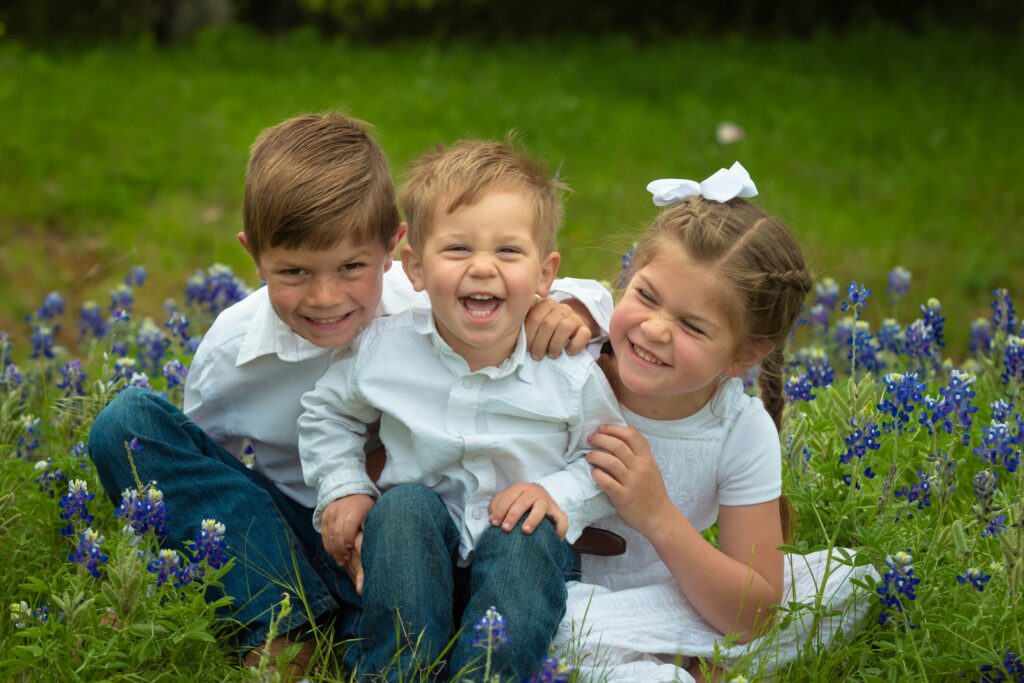
This powerful insight provides a new way to talk about foster care and adoption—one that acknowledges the real challenges while also speaking with confidence about an even deeper truth. It gives us a reason to tell compelling stories that go beyond the initial hardships and highlight the profound, long-lasting positive impact on families. By sharing this data, we can empower potential foster and adoptive parents with the reassurance that their compassion and commitment can lead to a sense of purpose and flourishing that is truly transformative.
You can download the entire report here: Engagement in US Foster Care and Adoption: 2025 Data and Trends