• Skip to primary navigation
  • Skip to main content
Chestnut Mountain Village

Chestnut Mountain Village

A ministry of Chestnut Mountain Ranch

  • Home
  • About Us
  • Family Advocacy Ministry
  • CarePortal
  • Events
  • Resources
    • All In Foster Care Summit – Archive
  • News & Articles
  • Contact Us
  • Show Search
Hide Search

News

How It started. How It’s Going. And Why It Matters.

In April 2024, Chestnut Mountain Village, two Monongalia County churches, and a local family serving organization launched a small but ambitious “proof of concept” to see whether CarePortal could help meet the real needs of children and families in crisis.

Through CarePortal, local child serving agencies are able to enter needs such as beds, clothing, transportation help, or household essentials. Those needs of local children and families are then immediately shared with nearby churches and community members who can respond in real time. CarePortal creates a simple connection point that allows people to meet practical needs quickly, stabilize families before crises escalate, and support children safely in their own homes whenever possible.

That early team believed something simple. The resources were already in the community. The willing people were already there. What was missing was connection.

Earlier this month, Mountain Heights Church became the 20th church to join the Monongalia County CarePortal network. From a tiny experiment to a growing movement, a local idea is becoming a community wide effort.
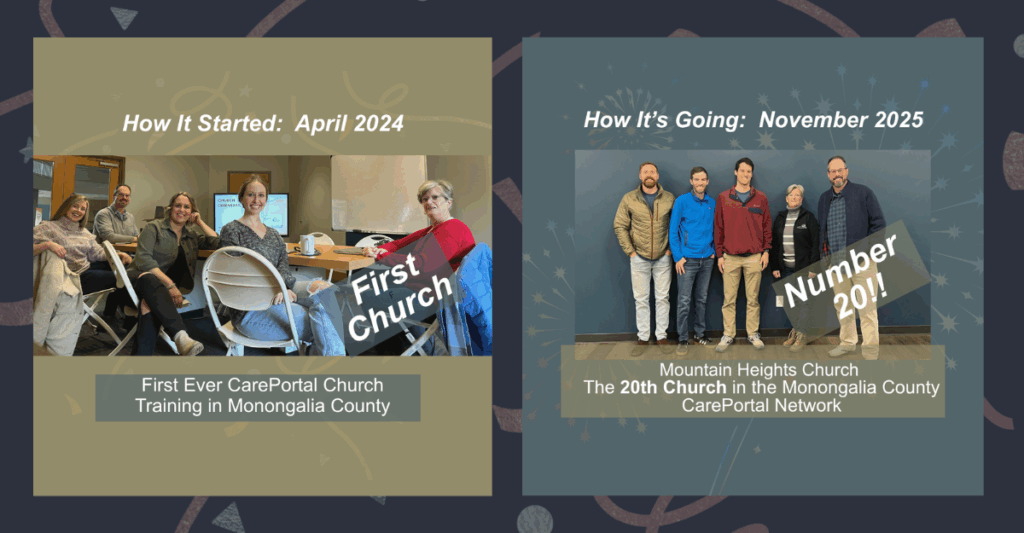
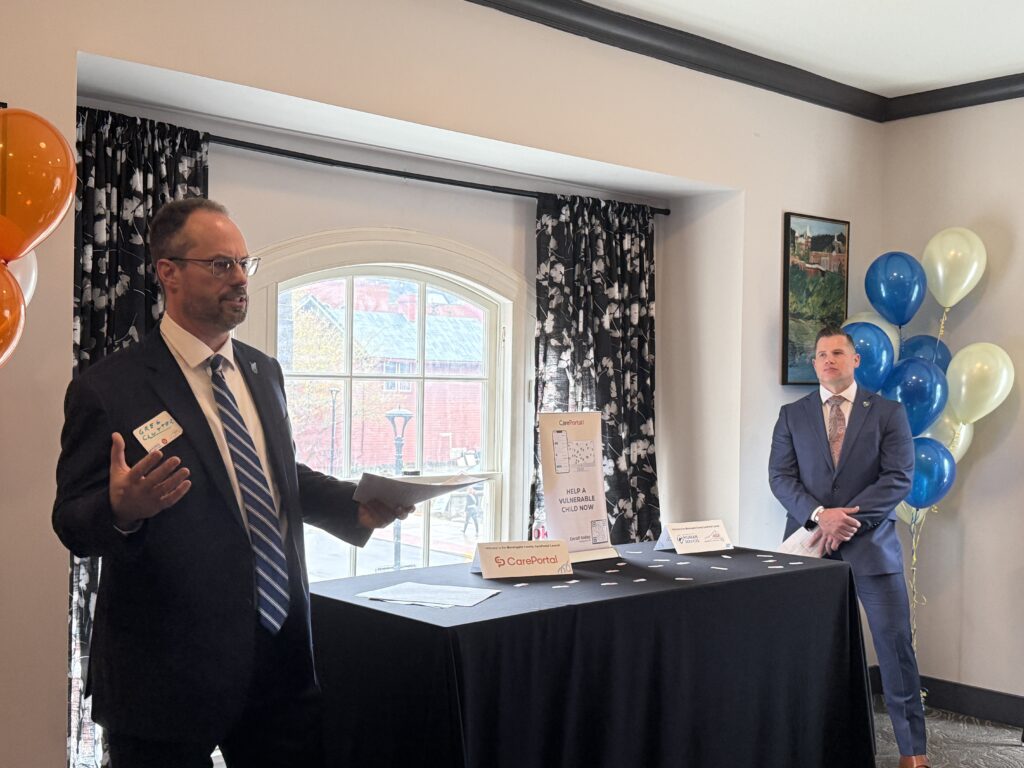
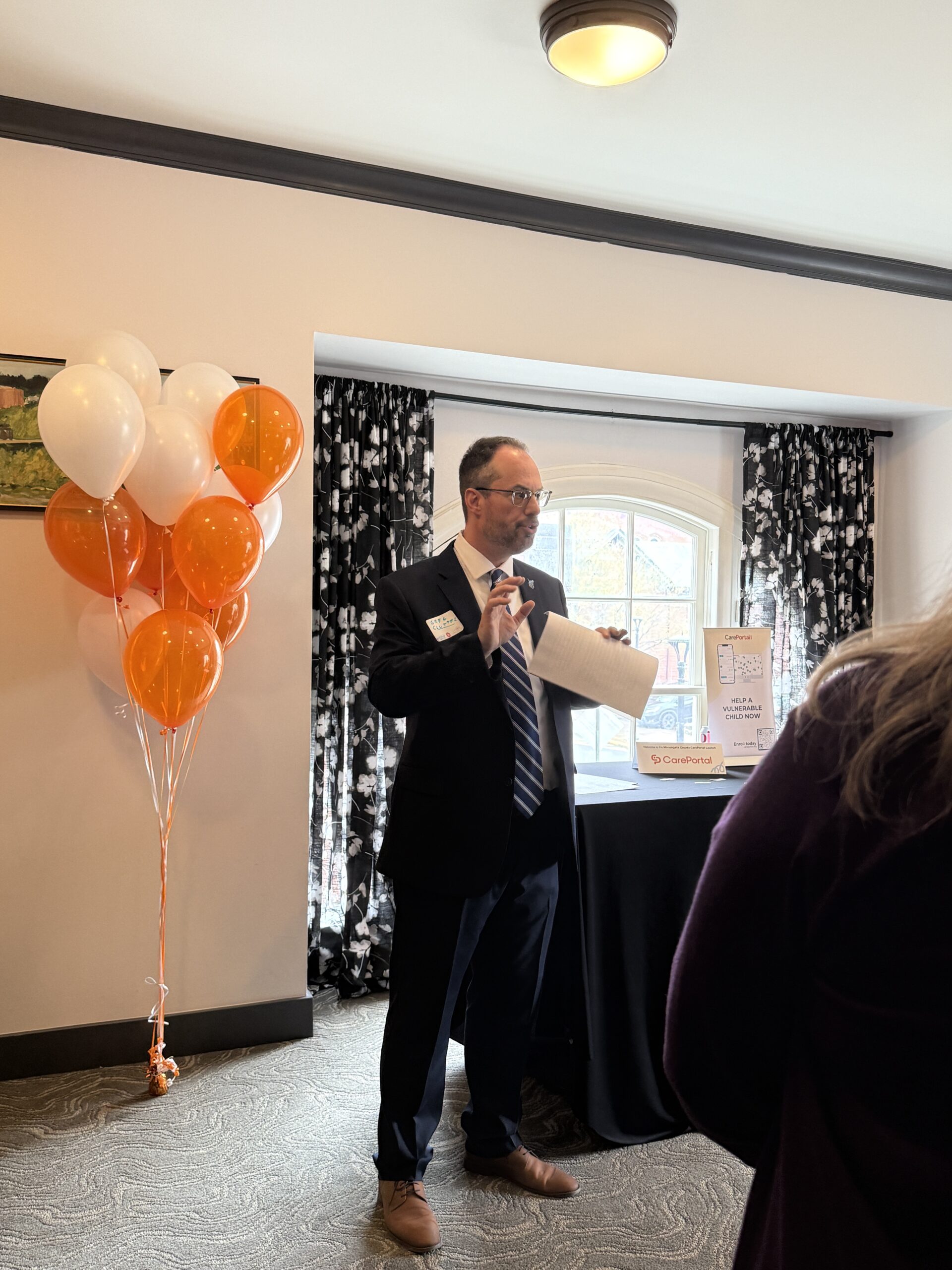
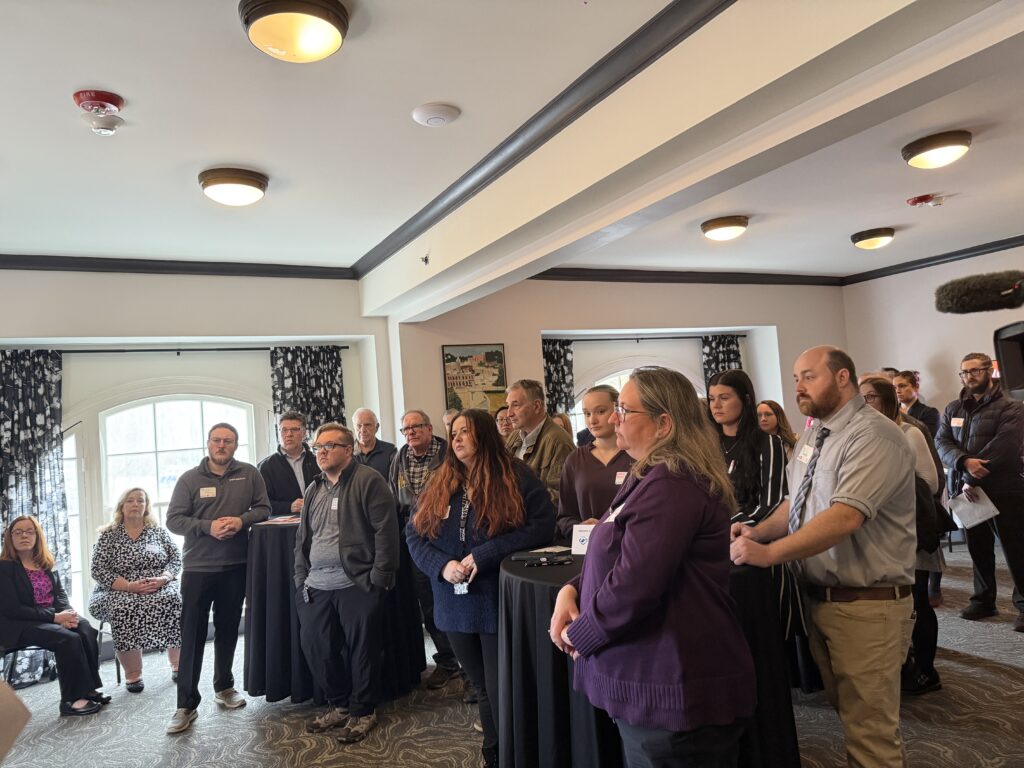
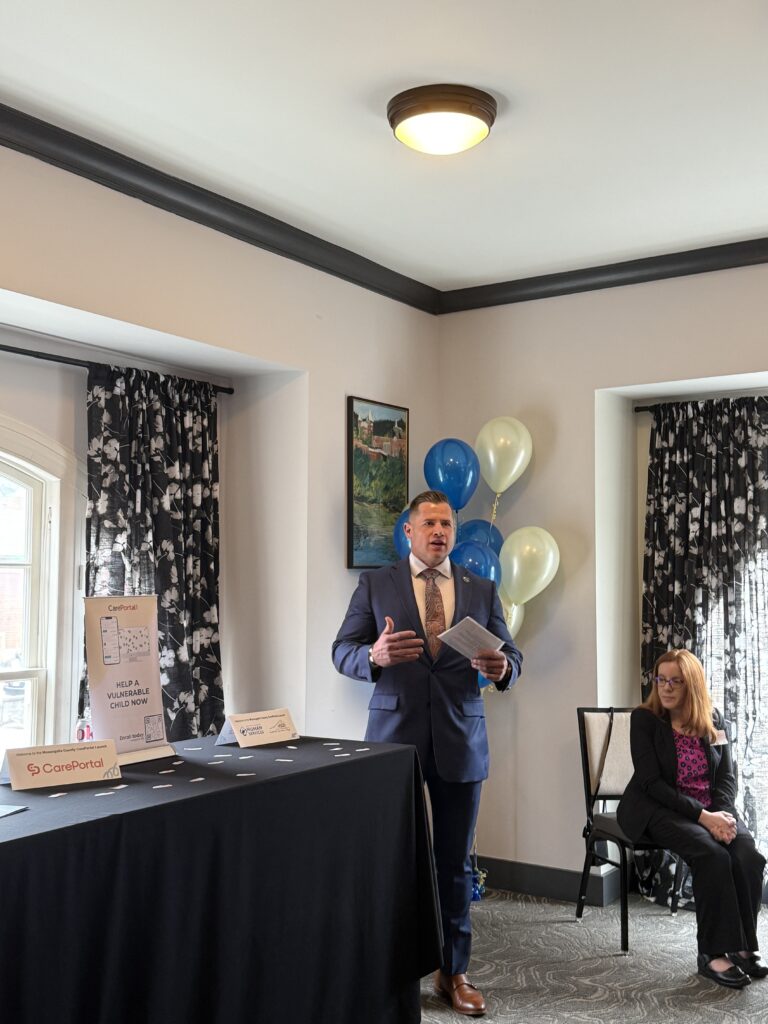
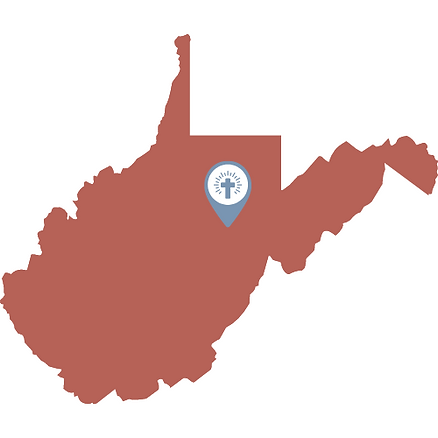
Side by side photos showing the first CarePortal church training in April 2024 and the twentieth participating church in November 2025, illustrating the rapid CarePortal expansion in West Virginia as more churches join the network.

Since that early 2024 trial, Chestnut Mountain Village and the West Virginia Department of Human Services have partnered not only to pilot CarePortal in Monongalia and Preston Counties, but to expand this work in those counties and prepare to launch in four additional counties in the near future.

Deep gratitude to Chestnut Ridge Church, CMA Church of Morgantown, and Compass Women’s Center for being the original West Virginia CarePortal trailblazers. And sincere thanks to every church, volunteer, and partner who continues to prove that “not enough” does not have to be the story. We are working toward more than enough for vulnerable children before, during, and beyond foster care.

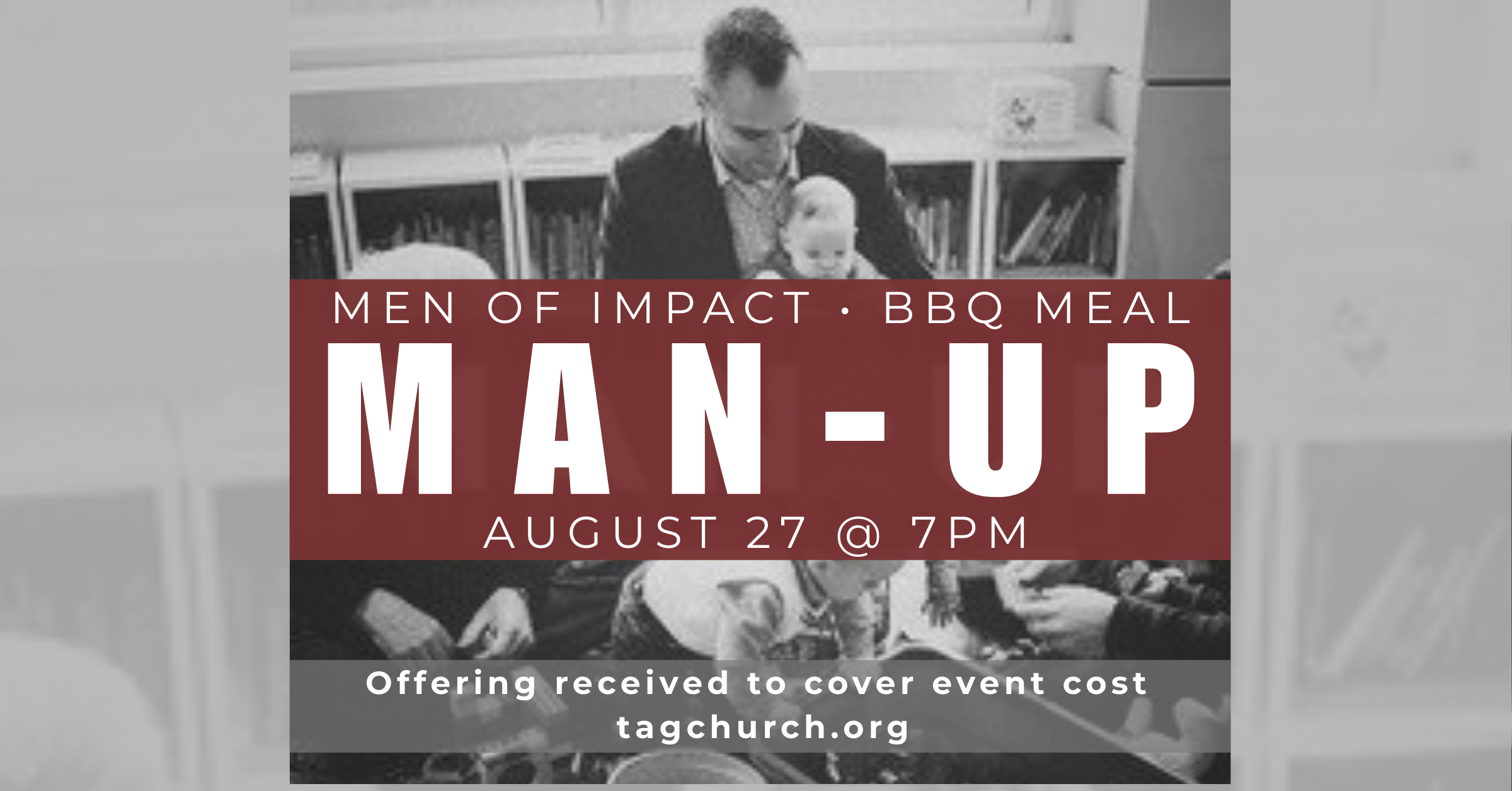
Chestnut Mountain Village and DoHS Expand CarePortal to offer community-based solutions to more West Virginia Families

9/17/2025
West Virginia Department of Human Services

After serving more than 270 children in Monongalia and Preston counties, Chestnut Mountain Village, in partnership with the West Virginia Department of Human Services (DoHS), is expanding CarePortal into Harrison, Marion, Taylor, and Barbour counties. The technology platform connects caseworkers with local churches and community members who can respond directly to urgent needs, such as beds, clothing, school supplies, or transportation, that help stabilize children and families. The initiative builds on the measurable success of the pilot program launched earlier this year, offering timely, community-based solutions to strengthen families and support children in foster care.

By mobilizing support quickly and effectively, CarePortal reduces barriers for caseworkers, foster families, and biological families while keeping children safe in their communities.

Since its pilot launch in April 2025, CarePortal has demonstrated clear results in Monongalia and Preston counties:

  • 274 children served
  • 212 request responses
  • $58,793 in economic impact generated
  • 92% request fulfillment rate

These outcomes highlight the program’s ability to deliver real, community-driven support while easing caseload pressures for child welfare staff.

“Foster care challenges in our state are too great for one agency or organization to carry alone,” said Greg Clutter, Director of Chestnut Mountain Village. “CarePortal proves what’s possible when churches, neighbors, and state partners work together. We can close gaps, prevent crises, and keep children safe in their own communities.”

DoHS leaders agree that CarePortal reflects priorities identified in the 2025 Child Welfare Listening Tour, where more than 350 West Virginians shared 1,700 ideas for system improvement. Among the top recommendations were increased caregiver support, stronger prevention services, and more collaboration between agencies and families.

“CarePortal represents the kind of innovative, community-based solution our listening tour participants asked for,” said Alex Mayer, Secretary of the West Virginia Department of Human Services. “It’s one more way West Virginia is working to strengthen families and provide the right support at the right time. At the heart of this effort are our communities, because lasting success depends on neighbors, organizations, and local leaders coming together to ensure children and families have what they need to thrive.”

The long-term goal is to expand CarePortal across additional regions of West Virginia, ensuring that families statewide can access timely support while caseworkers are better equipped to focus on safety and permanency.​

Contact Information

West Virginia Department of Human Services – DoHSCommunications@wv.gov

Chestnut Mountain Village – Greg Clutter, Director

When Foster Parents Feel Undervalued, Misled, and Isolated: What the Research Tells Us—and How Communities Can Respond

Research shows foster parents often feel undervalued, misled, and isolated—highlighting the need for stronger foster parent support.

A new study published in Children and Youth Services Review highlights what many of us in the foster care community already know: foster parents often feel more like cogs in a compliance machine than valued members of a team. The article, “Undervalued, Misled, and Isolated: Foster Parents’ Experience of (Mis)attunement within Our Compliance-Centered System”, captures the voices of foster parents who describe their daily reality not as one of foster parent support and collaboration, but of disconnection and exhaustion.

The study found that rather than experiencing “attunement”—the sense of being seen, heard, and supported—most foster parents reported “misattunement.” That misattunement shows up in three striking ways:

  • Undervalued: Foster parents felt reduced to “baby movers,” rather than respected as caregivers who know the child best.
  • Misled: Promises of teamwork often dissolved into a lonely reality of handling crises with little backup.
  • Isolated: Despite constant demands from the system, parents described being left alone to navigate services, appointments, and decisions that deeply affect their foster children.

These findings are sobering. They highlight a fundamental misalignment in child welfare: compliance is too often prioritized over relationships. When this happens, the very people providing day-to-day care—foster parents—are left drained, unheard, and at risk of burnout.

Why Foster Parent Support Matters

When foster parents feel disconnected from the system, children pay the price. Placement instability rises. The likelihood of multiple moves increases. And the chance for steady, healing relationships—the very relationships children need to recover from trauma—diminishes.

The research also underscores that building strong, enduring connections between foster parents and the wider child welfare team is not just a nice idea. It is central to the well-being of children and the long-term commitment of foster families.

What Could Change the Story

The research points to a simple but profound truth: when foster parents feel listened to, respected, and included, everything changes. Practices that emphasize attentive listening, honest communication, and space for reflection help caregivers feel supported rather than dismissed. When these relational habits are prioritized, stress levels decline, collaboration increases, and the chances of stability for children improve.

These are not complicated fixes. They are small, human adjustments—checking in consistently, honoring the insight of foster parents, creating room for their voices in decision-making—that add up to healthier, more collaborative relationships across the child welfare landscape.

But systems change takes time. Policies shift slowly. Caseworkers remain overloaded. Foster parents and children cannot afford to wait.

The Role of Community Foster Parent Support

This is where local communities—especially churches and faith-based organizations—can step in. While state agencies struggle under the weight of compliance, neighbors, congregations, and community groups can provide the relational foster parent support that research shows foster parents so desperately need.

When churches come together to care for foster and kinship families—through meals, childcare, mentoring, prayer, and encouragement—they offer what the system cannot always provide: steady, human connection. These acts of presence and compassion communicate, you are not alone, and your work matters.

Yet it is important to acknowledge a potential pitfall. When churches or organizations rush into this space without structure, sustainability, and an informed understanding of child welfare, their efforts—though well-meaning—can unintentionally add more stress to families rather than relieve it. Short bursts of help without long-term support, or volunteer enthusiasm without training, may leave foster and kinship parents feeling even more isolated.

Communities cannot erase the complexity of child welfare. But they can counteract the isolation in ways that are thoughtful and effective. The Village exists to equip churches and faith-based organizations to step into this work with sustainability, structure, and wisdom—so that the help offered truly strengthens families, provides foster parent support for the long haul, and creates lasting change for vulnerable children.

Moving Forward Together

The research confirms what we see every day at Chestnut Mountain Village: foster parents carry a sacred but heavy role. When left undervalued, misled, and isolated, they cannot flourish—and neither can the children in their care. But when surrounded by attuned, supportive relationships, they find strength to persevere.

This is why The Village exists: to guide churches and communities in creating Christ-centered networks of care that bring hope and stability to vulnerable kids and families. Because while the system may remain compliance-centered, our communities can be relationship-centered.

And that shift—neighbor to neighbor, church to family, volunteer to caregiver—just might change the story.

MAN UP! Event: Answering the Call to Be Men of Impact

On Wednesday, August 27, 2025 men from across North Central West Virginia are invited to gather for “MAN-UP: Men of Impact!!!” at Trinity Assembly of God Church in Fairmont. This men’s event is designed to inspire, encourage, and challenge—while also giving men a chance to enjoy great food and fun together.

The evening kicks off with a meal worth showing up for: pulled pork sliders, cowboy beans, macaroni salad, coleslaw, and cobblers—all homemade and delicious. After food and fellowship, the night will feature a powerful panel of men who are living out what it means to be a Man of Impact.

World Changers on the Front Lines

The panel brings together leaders who have stepped into the foster care crisis with courage and conviction:

  • Adam Burkhammer – A member of the West Virginia House of Delegates and long-time foster dad, Adam blends public service with fatherhood, showing how one man’s influence can ripple through family and community.
  • Steve Finn – Executive Director of Chestnut Mountain Ranch and a foster/adoptive dad, Steve leads a Christ-centered residential program for boys in crisis. His work demonstrates how one man’s vision can restore families and transform futures.
  • Justin Gaull – A church leader of family advocacy and foster care ministry, and a long-time foster dad, Justin is passionate about equipping congregations—and especially men—to move from the sidelines into active service.
  • Ruston Seaman – Executive Director of New Vision Ministries, Russ builds community for youth aging out of foster care, including tiny homes that offer stability and dignity. His leadership shows how a man of impact invests in lasting change.

Why This Matters in West Virginia

West Virginia has one of the highest rates of children entering foster care in the nation. Each of these children carries the weight of instability, loss, and trauma that threatens their future. Yet, many men hesitate to step into the world of foster care—often feeling unqualified, unsure of their role, or believing the responsibility belongs to someone else.

But research shows otherwise. A study from Mathematica Policy Research found that when fathers are engaged in the lives of children in foster care, those children spend less time in care and are more likely to be reunified with family. Similarly, as noted by Intercept Health TFC, many foster children have lacked healthy male role models in their lives. Foster fathers play a unique role in showing children that there is another way to be a man—one marked by love, consistency, and strength. That influence can leave a lasting legacy, shaping the future well beyond the foster care experience.

Not Everyone Will Foster—But Everyone Can Do Something

The truth is, not every man will become a foster dad. But every man can do something to support vulnerable children and families. Some may use their hands to build or repair a home. Others may offer their time to mentor a teen in need of a positive role model. Still others may share their professional skills, contribute financially to support foster families, or mobilize others in their church community. Whatever your gift, there is a place for you.

Pastor Wayde Willson Talks About the MAN UP: Men of Impact Event

Men of Impact Shape Generations

When men step into foster care—whether as foster dads, mentors, advocates, or simply by standing alongside families in need—they not only impact the lives of children today, they also shape the trajectory of generations to come. That’s what Man of Impact is all about: ordinary men stepping up in extraordinary ways to provide strength, stability, and hope.

Event Details

📅 Date & Time: Wednesday, August 27 at 7:00 PM
📍 Location: Trinity Assembly of God Church, 70 Maranatha Dr, White Hall, WV
🍴 Food & Fun: Pulled pork sliders, cowboy beans, macaroni salad, coleslaw, and cobblers—all homemade
💲 Cost: Free (an offering will be received)
🙌 Who: This is a men’s event—come as you are
✅ Registration: Not required. Just show up and be part of a night of food, fun, and inspiration.

Faith in Families 5K to Benefit Vulnerable Children and Families

Faith in Families 5K logo

Morgantown, WV — On Saturday, October 4, 2025, runners and walkers from across the region will gather in Morgantown for the Faith in Families 5K Run and Walk, organized and hosted by CMA Church of Morgantown, an event dedicated to supporting vulnerable children and families throughout West Virginia.

Faith in Families 5k Info

Hosted on a scenic two-loop course through a local neighborhood, the race begins and ends near a church on Elmhurst Street. Participants of all ages and experience levels are welcome, including those completing the Christian Motorcyclists Association’s Upward Running 5K training program.

The weekend kicks off Friday evening, October 3, with a free pasta dinner and early packet pick-up from 6:00 to 7:30 p.m. On race day, registration and packet pick-up open at 6:30 a.m., with the race starting shortly after.

All proceeds from the Faith in Families 5K will benefit Chestnut Mountain Village, a ministry that partners with churches to serve foster, adoptive, kinship, and other vulnerable families. These funds will help equip churches to provide practical, emotional, and spiritual support to families in need across the Mountain State.

“This event is about more than just crossing the finish line,” said Greg Clutter, Director of Foster Care Initiatives at Chestnut Mountain Village. “It’s about bringing the community together to help ensure every child and family in West Virginia knows they are seen, supported, and loved.”

Registration is now open. For more details or to sign up, visit Faith in Families 5K Registration Page.

A Story of Flourishing: How Fostering and Adoption Can Transform Families

In conversations about foster care and adoption, we often focus on the immense challenges families face. The difficulties are real, and no one should pretend otherwise. But what if the story doesn’t end there? What if, in the long run, opening your home to a vulnerable child leads to a remarkable and profound sense of family flourishing? The Engagement in US Foster Care and Adoption: 2025 Data and Trends report from the Christian Alliance for Orphans (CAFO) challenges common assumptions and offers fresh insights into the long-term well-being of foster and adoptive families.

This 2025 report highlights that families who have fostered and/or adopted are significantly more likely to report they are “flourishing” compared to families who have not. The study found that 19% of foster and adoptive families describe themselves as flourishing, which is nearly three times the rate of families without fostering or adoption experience (7%). This finding is particularly striking because it contradicts the idea that the unique struggles faced by children from difficult backgrounds will inevitably hinder a family’s ability to thrive.

The data shows a “near inversion” of these figures when looking at the opposite end of the spectrum: self-reported “struggling”. While 16% of families who haven’t fostered or adopted say they are struggling, only 4% of foster and adoptive families say the same. This isn’t to say that the journey is easy; most foster and adoptive families have faced immense difficulties, and many still do. The findings suggest that the act of self-giving and welcoming, which is at the heart of foster care and adoption, greatly contributes to the long-term flourishing of families.

The report also sheds light on the common barriers that prevent people from taking the first step. The top three barriers cited by respondents were financial capacity, lack of interest, and lack of space. For those who have already seriously considered fostering or adoption, finances remain the top concern, with 42% citing it as a major obstacle. The data also reveals that many people are hesitant because they feel they are “not the right kind of person” to foster or adopt, suggesting a need to empower and affirm individuals who have a compassionate heart.

Three smiling children sitting in a field of bluebonnets, symbolizing joy, hope, and belonging in foster and adoptive families.

This powerful insight provides a new way to talk about foster care and adoption—one that acknowledges the real challenges while also speaking with confidence about an even deeper truth. It gives us a reason to tell compelling stories that go beyond the initial hardships and highlight the profound, long-lasting positive impact on families. By sharing this data, we can empower potential foster and adoptive parents with the reassurance that their compassion and commitment can lead to a sense of purpose and flourishing that is truly transformative.

You can download the entire report here: Engagement in US Foster Care and Adoption: 2025 Data and Trends

What If Foster Care Was Built to Heal?

What if the most transformative solutions in foster care don’t come from better policies or expanded programs—but from the restoration of broken relationships?

That’s the core question posed by Praxis, a nonprofit that equips faith-driven founders and innovators to build ventures marked by justice, mercy, and lasting impact. In their recent publication, “A Redemptive Thesis for Foster Care,” they offer not a policy checklist, but a visionary framework—one that invites us to reimagine the foster care system as a space for healing, dignity, and belonging.

Rather than focusing solely on what’s broken, Praxis challenges us to invest not just in what works—but also in what heals: people, especially the adults who shape a child’s daily reality.

Foster Care & Adoption Forum guests, including Venture Partner Charlee Tchividjian (Every Mother’s Advocate, Nonprofit 2022) discuss redemptive moves in foster care at the 2024 Praxis Summit.

People, Not Just Programs

Too often, the foster care conversation centers on system improvement. But what if we started by strengthening the adults around the child—birth parents, foster families, caseworkers, and kin?

When adults are supported, children benefit. This means rethinking how we care for foster parents so they don’t burn out, how we equip caseworkers for trauma-informed leadership, and how we treat struggling parents not as cases, but as people with potential for restoration.

From Reactive Systems to Redemptive Communities

The current system often acts only after harm has occurred. A Redemptive Thesis for Foster Care invites us to shift from reaction to prevention—building networks of care that respond before crisis escalates.

This is the heart of redemptive imagination: believing that proactive, relational investment can do more than any policy tweak. It means engaging neighbors, nonprofits, and churches that serve foster families and children in care—walking with families, not just when they fall apart, but so they don’t have to.

Across the country, some ministries are helping churches step into this space—guiding and equipping them to care well for foster, adoptive, kinship, and vulnerable families in their own communities.

Implications for West Virginia

In a state like West Virginia, where the foster care system serves many children and families facing complex challenges, this redemptive lens offers a hopeful shift.

The thesis doesn’t critique—it inspires. It suggests that while system improvements are necessary, lasting change will come when communities are mobilized to restore relationships, surround families with support, and re-humanize every actor in the process.

That includes entrepreneurs who build tools for caregivers, churches that serve as extended family, and civic leaders who prioritize belonging over bureaucracy. These are the builders of a better future—one rooted in connection, not control.

A Hopeful Way Forward

Ultimately, Praxis’s redemptive thesis calls us to rethink success—not just as fewer entries into foster care, but as more families held together. Not just case closures, but long-term relationships that lead to healing.

Foster care may never be simple—but it can be sacred. If we’re willing to build it around healing instead of just control, we might find a path forward that changes lives for generations.

📖 Read the full thesis here:
https://journal.praxis.co/a-redemptive-thesis-for-foster-care-d44d98e5c231

Preston County to Launch Next Phase of CarePortal Initiative in West Virginia

Preston County CarePortal launch

Media Contacts:
Greg Clutter, Director
Chestnut Mountain Village
304-612-6265
greg@chestnutmountainranch.org
Angel Hightower, Communication Specialist
West Virginia Department of Human Services
304-558-0684
angelica.q.hightower@wv.gov

What:
A public launch and celebration event introducing CarePortal to Preston County—only the second county launch of CarePortal in all of West Virginia. CarePortal is a technology platform that connects local churches with real-time needs of vulnerable children and families, empowering communities to provide tangible support and prevent unnecessary foster care placements.
This event will include a live demonstration of how CarePortal works, showing how local churches can respond in real-time to meet urgent needs in the community.

When:
📅 Tuesday, May 13, 2025
🕑 Begins at 2:00 PM

Where:
🏛 Kingwood Community Center
115 Brown Avenue, Kingwood, WV

Why This Matters:
CarePortal is transforming the way communities care for children and families in crisis by empowering local churches to be a meaningful part of the child welfare response—connecting them directly to the needs of children and families in their neighborhoods through local child serving professionals.
Nationally, CarePortal is active in 38 states and is having a measurable impact across the country. The platform has met 135,575 requests, served 358,943 children, and generated an estimated $133.9 million in economic impact.
This launch, made possible through collaboration with the West Virginia Department of Human Services (DoHS) and Chestnut Mountain Village, represents a major step toward strengthening families and supporting at-risk children in Preston County. Prior to this event, CarePortal was launched in Monongalia County on April 10, 2025 at a public event in Morgantown.

Event Highlights:
The program will feature remarks from a distinguished group of state and community leaders, a live demonstration of CarePortal in action by the CarePortal Demonstration Team, and opportunities for interviews. Following the formal program, attendees are invited to stay for informal networking and discussion. Light refreshments, including soft drinks and desserts, will be available.

Speakers and Presenters:
Greg W. Clutter – Director, Chestnut Mountain Village
Senator Randy Smith – West Virginia Senate President and Senator Representing West Virginia’s 14th District
Pastor Eric Gren – Kingwood Southern Baptist Church
CarePortal Demonstration Team:
Ashley Shaffer – Child Protective Services & Youth Services Supervisor, Preston County Bureau of Preston County, WV Department of Human Services
Jane McCracken – CarePortal Ambassador, Chestnut Mountain Village

About CarePortal:
CarePortal is a technology platform that brings the needs of children and families in crisis to the attention of local churches and community members who want to help. By bridging the gap between child-serving agencies and community responders, CarePortal enables real-time, meaningful support that strengthens families and prevents unnecessary foster care placements. Learn more at www.careportal.org.

About the West Virginia Department of Human Services (DoHS):
The West Virginia Department of Human Services (DoHS) is committed to strengthening families, promoting child welfare prevention, and ensuring the well-being of West Virginia’s most vulnerable citizens. Through strategic partnerships and innovative programs like CarePortal, DoHS works to keep families together, prevent unnecessary foster care placements, and provide essential services to children and families across the state. Learn more at humanservices.wv.gov.

About Chestnut Mountain Village:
Chestnut Mountain Village, a ministry of Chestnut Mountain Ranch, is dedicated to mobilizing churches to care for vulnerable children and families across West Virginia. As the sole implementing partner for CarePortal in the state, Chestnut Mountain Village equips churches with training, resources, and community collaboration to support foster, adoptive, and at-risk families, creating a network of care that strengthens communities and shares the Gospel in action. For more information, visit cmvwv.org.
###

Big News for WV Kids & Families!

Care Portal launch

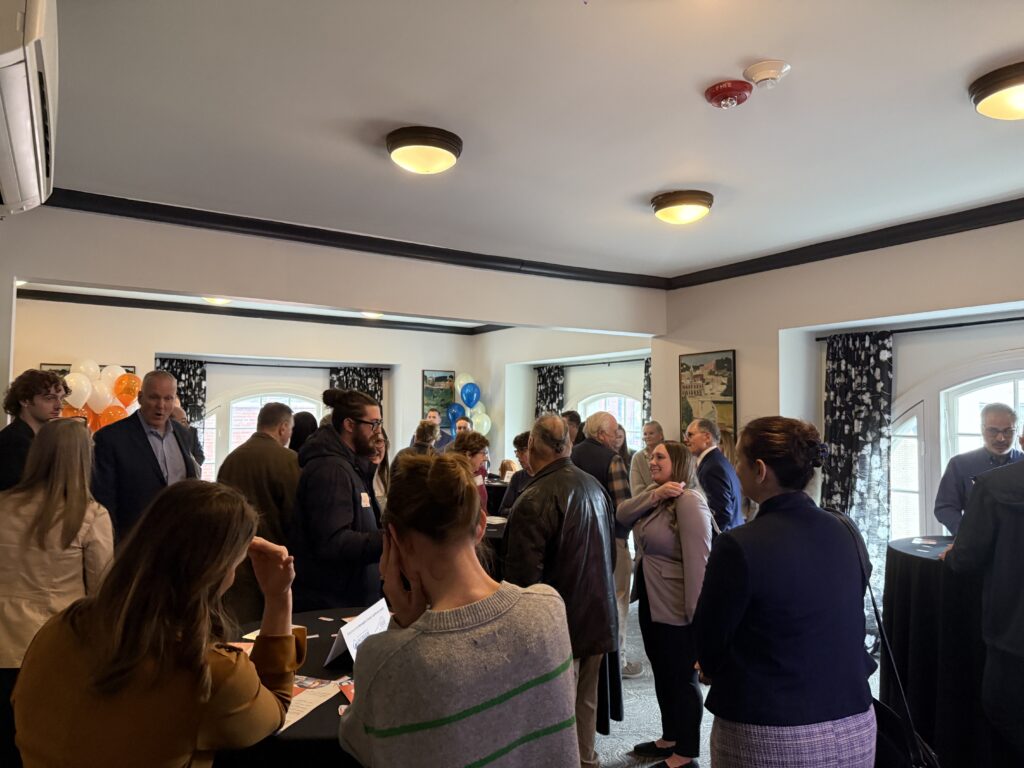
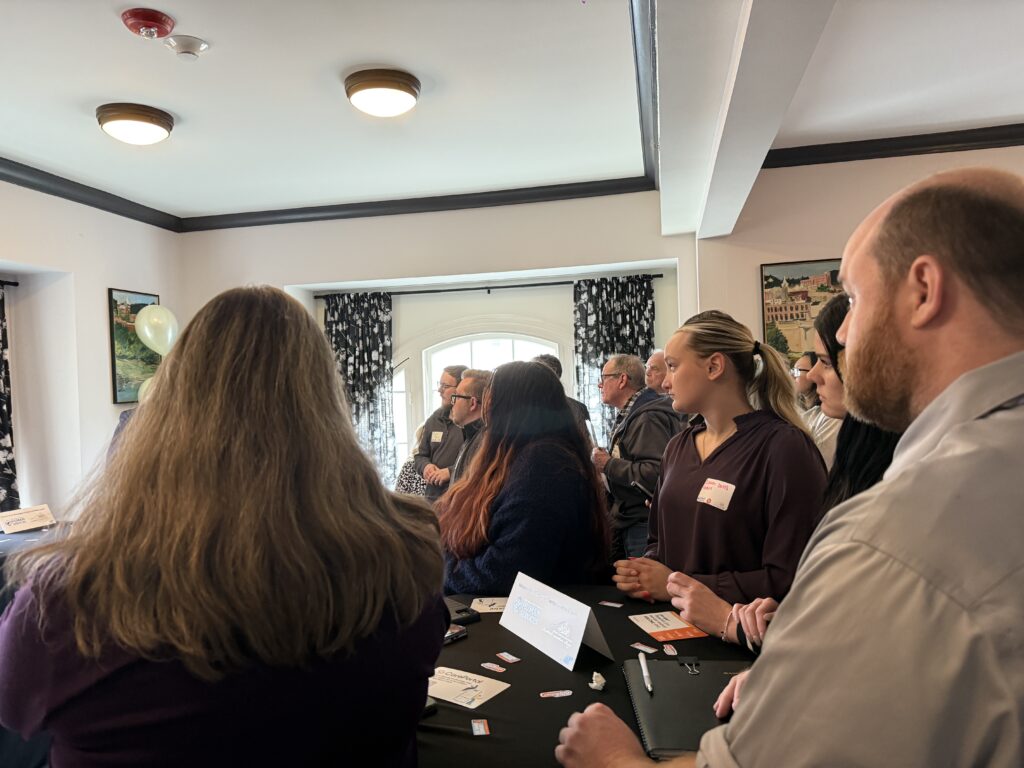
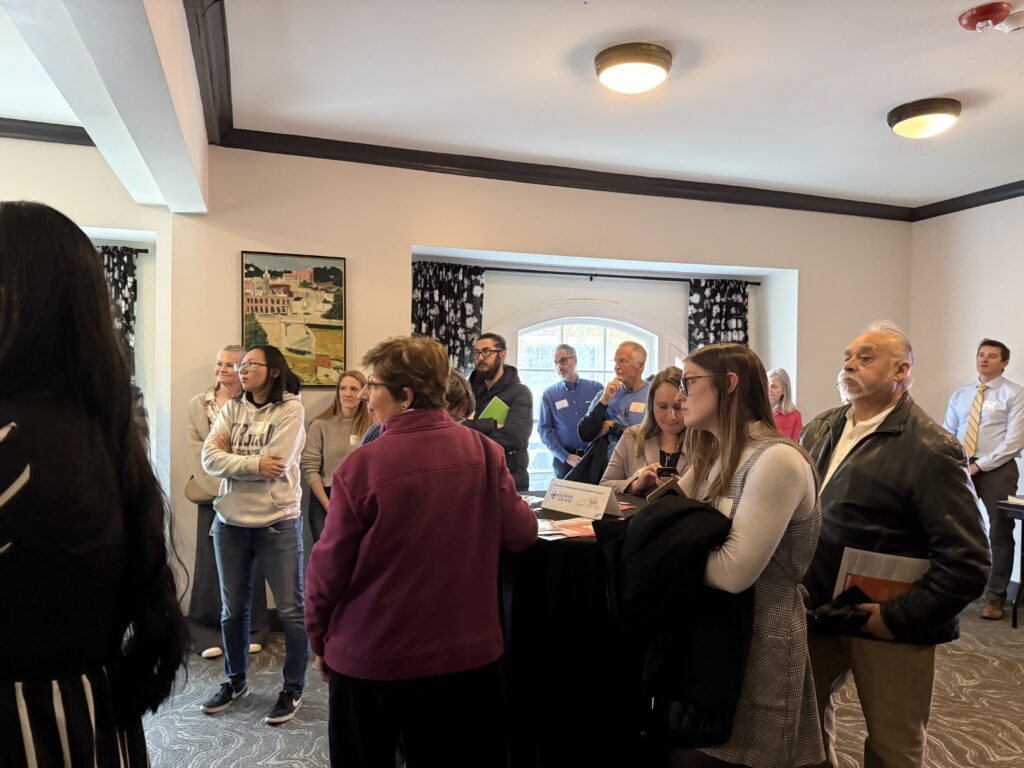
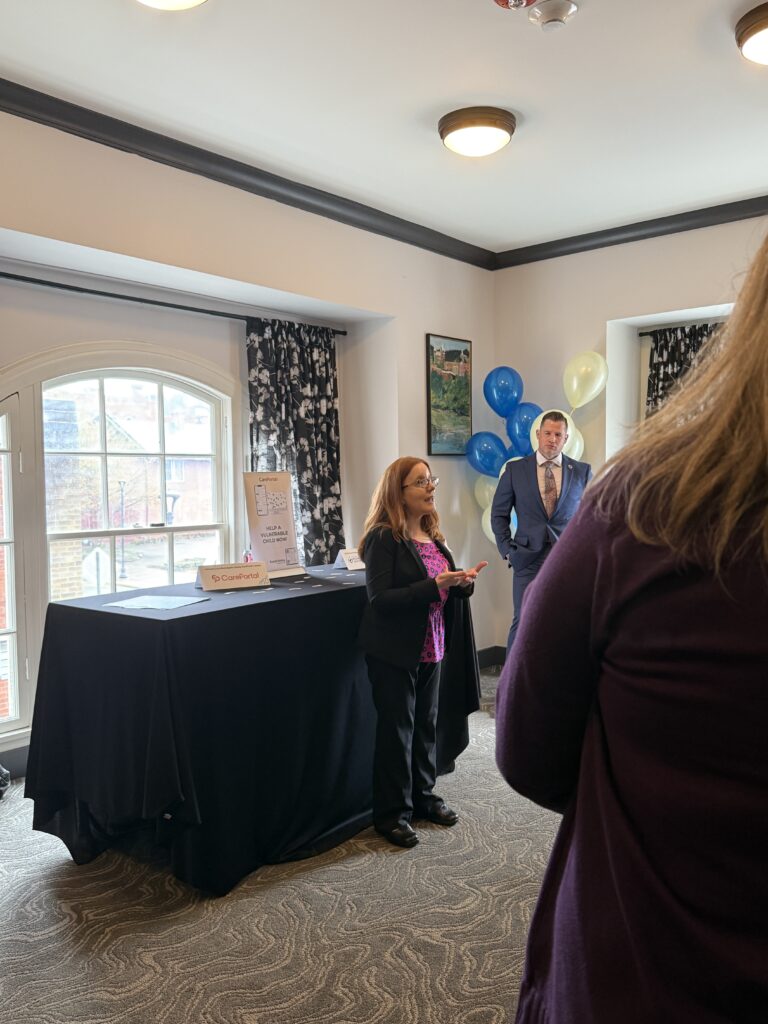
We’re thrilled to announce the launch of CarePortal in Monongalia County — the very first countywide implementation in West Virginia!

In partnership with the West Virginia Department of Human Services, Chestnut Mountain Village is now live with CarePortal in Monongalia County — connecting local churches to real-time needs of children and families in crisis.

This is a game-changer for foster care prevention, reunification, and community support. Let’s rally together to serve those who need it most.

Launch Announcement Photos

Care Portal Press Release from DoHS

Below is the official press release from Department of Human Services.


April 10, 2025
DoHS and Chestnut Mountain Village Launch First Public County CarePortal in Morgantown, WV
Morgantown, W.Va. – The West Virginia Department of Human Services (DoHS), in partnership with Chestnut Mountain Village, supported the first public county launch of CarePortal in Morgantown on April 10, 2025. This event marked a critical milestone in connecting local communities, faith-based organizations, and public agencies to support children and families in need.

“We are creating a more connected, supportive system where communities are empowered to prevent children from entering the welfare system,” said Alex Mayer, Cabinet Secretary of the West Virginia Department of Human Services. “Through CarePortal, families in need can receive support from the faith community and local partners, helping them stay together and thrive.”

CarePortal is an online platform that connects child welfare professionals and families with local faith-based organizations and community groups to meet urgent needs, such as furniture, clothing, transportation, and childcare. Through CarePortal, Family Support Center (FSC) staff, social workers, and other child and family-serving professionals can submit requests for material assistance directly to the platform. Local churches and volunteer groups can respond to these requests in real-time, providing immediate support to help prevent families from entering the child welfare system. This tool strengthens family preservation efforts, helping to keep families together and reduce unnecessary foster care placements, ensuring children grow up in stable, nurturing environments.

“CarePortal is more than just a technology platform, it’s a bridge that connects people who want to help with children and families who need support,” said Greg Clutter, Director of Foster Care Initiatives at Chestnut Mountain Village. “This initiative is about rallying communities to take an active role in strengthening families, preventing unnecessary foster care placements, and ensuring that every child in West Virginia has the opportunity to grow up in a safe and loving home.”
By uniting DoHS’s Bureau of Social Services and Bureau of Family Assistance with the faith community, the CarePortal launch represents a collaborative effort between DoHS and Chestnut Mountain Village to strengthen family preservation efforts in West Virginia. This platform aims to prevent children from entering the welfare system by empowering local congregations and community members to provide vital resources. Beyond immediate assistance, CarePortal helps build a stronger family support system by connecting families to services they might not otherwise be able to access.

Following the successful launch of CarePortal, DoHS and Chestnut Mountain Village will continue their efforts to support children and families at the 2025 All In Foster Care Summit on May 7, 2025, at River Ridge Church in Charleston. The All In Foster Care Summit is an annual event, organized and facilitated by Chestnut Mountain Village, that unites foster families, church leaders, child welfare professionals, and community members to guide and mobilize a community-based response to foster care—and celebrate the vital role of foster families.

#
Media contact: DoHSCommunications@wv.gov

Join the FIGHT!

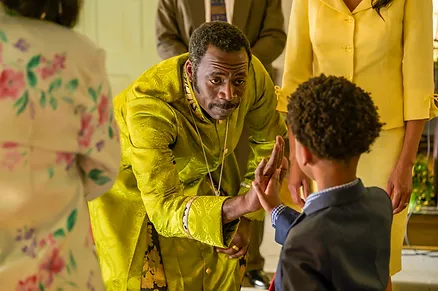
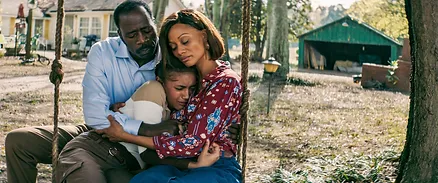
Inspired by the powerful true story, Sound of Hope: The Story of Possum Trot follows Donna and Reverend Martin as they ignite a fire in the hearts of their rural church to embrace children in the foster care system who needed adoptive families, proving that steady, determined love can transform the lives of vulnerable children.

In West Virginia, the issues with foster care are particularly dire, much like they were in Possum Trot, TX. West Virginia leads the nation, on a per capita basis, in both the number of children in foster care and the rate of removal of children from homes. The involvement of the local church is needed now more than ever in the Mountain State.

The good news is that, throughout West Virginia, there are incredible churches, organizations, and advocates working to care for children and families before, during, and beyond foster care. Some of them are working to provide adoptive families for children who need them (like the children in Possum Trot). Some are working to keep biological families together so kids never enter foster care, or to rally around these families as they seek to reunite with their children. Others are stepping up to serve as foster families, providing kids with a safe, temporary home. And others are providing relational and practical support for all of these families—including foster, kinship, adoptive, and biological families—and for former foster youth.

Click Here to contact us & Join the fight!

Everyone can do something to make a difference for children and families in foster care.

When the church is finding families for children, rallying around biological families, supporting child welfare professionals, meeting adoptive family’s needs as soon as they arise, and caring for youth who have aged out of foster care, it is living out its true character. And in every stage of foster care—before, during, and beyond—local churches can help lead and provide the relational and practical support vulnerable children and families need.

There is no one-size-fits-all approach, and based on the vision and unique makeup of your congregation, your church’s engagement in foster care will look different than a church down the street.

And that is a good and beautiful thing. No single church can transform foster care on its own.

It would be a privilege to walk alongside you and your church as you explore how your church is uniquely called and equipped to love our neighbors in foster care. Contact Chestnut Mountain Village today to join the FIGHT for kids in your community!!
Contact us at thevillage@chestnutmountainranch.org, by calling 304 943 7412, or by clicking below.

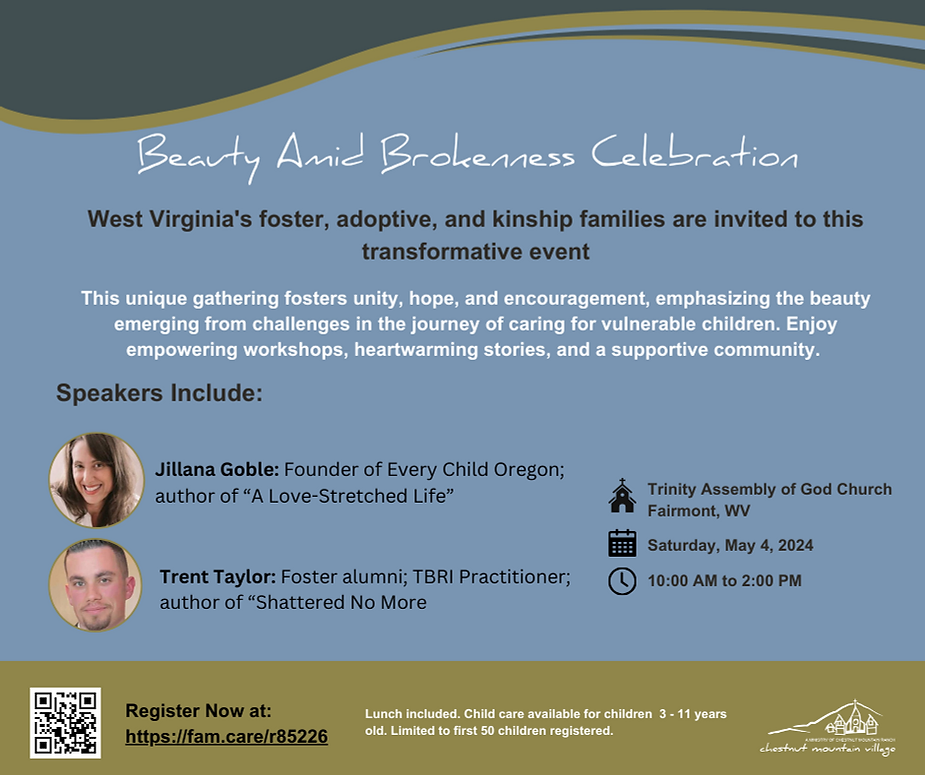
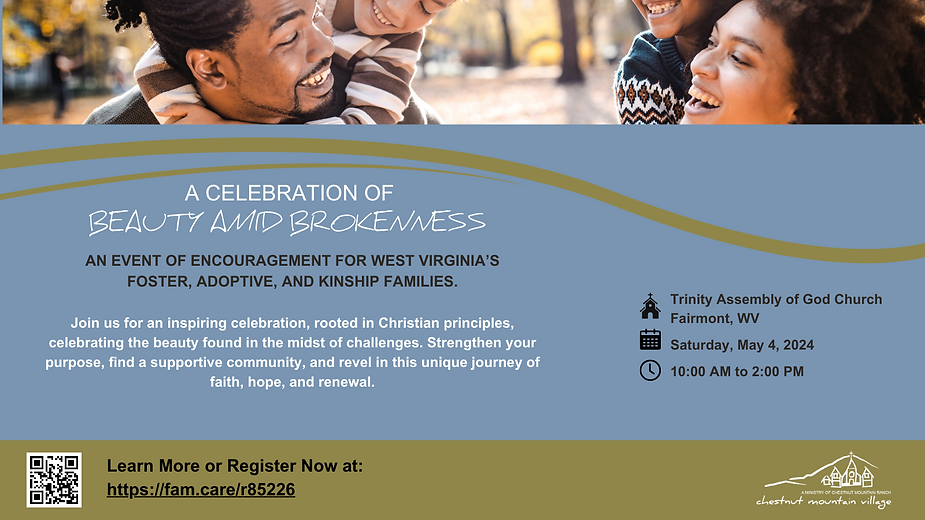
Beauty Amid Brokenness Celebration

An Event of Encouragement for West Virginia’s Foster, Adoptive, and Kinship Families.

REGISTER NOW!!!

The “Beauty Amid Brokenness Celebration” invites West Virginia’s foster, adoptive, and kinship families to a transformative event rooted in Christian principles. This unique gathering fosters unity, hope, and encouragement, emphasizing the beauty emerging from challenges in the journey of caring for vulnerable children. Attendees will experience empowering workshops, heartwarming stories, and discover a supportive community. Strengthening resolve and reaffirming purpose, this celebration embraces the unique beauty that arises when families choose to care for children from broken places. Join in for a day of faith, hope, and renewal, where brokenness becomes a canvas for God’s grace and love.

Logistics:

Venue: Trinity Assembly of God Church, Fairmont, WV

Date and Time: Saturday, May 4, 2024, 10 AM to 2:00 PM (Doors open at 9:30 AM, Child Care Check-In starts at 9:30 AM)

Limited Child Care: Available for children aged 3 to 11 (First 50 children on a first-registration basis)

Lunch: Included

Celebration Agenda:

9:30 AM: Check-in and Doors Open, Child Care Check-In Starts

10:00 AM: Opening Welcome and Prayer by Pastor Wayde Wilson

Worship with Trinity Worship and Others

Presentation: Fulfilling and Sustaining the Call to Care by Greg Clutter

Presentation: A Love-Stretched Life by Jillana Goble

Panel: Shattered No More – A Journey from Trauma to Triumph with Panelists Greg Clutter, Pam Taylor, Trent Taylor

12:00 PM: Lunch and Relationship Building — Lunch Provided

Workshops (Choose one):

Workshop and Q&A 1: Managing Trauma and Creating Hope with Pam and Trent Taylor and Chris Campbell, facilitated by Greg Clutter

Workshop and Q&A 2: Embracing the Unexpected with Jillana Goble and Pamela M. Woodman-Kaehler, facilitated by Melissa Cargill

Closing Worship and Final Remarks

Celebration Ends: 2:00 PM

REGISTER NOW!!!

Speaker, Panelist, and Facilitator Biographies:

Jillana Goble
Founder of Every Child Oregon, speaker, author, and advocate. Author of “No Sugar-Coating” and “A Love-Stretched Life,” Jillana is passionate about uniting the faith community to uplift vulnerable children.

Trent Taylor
CEO and Co-Founder of Watch Me Rise, Trent is a trauma consultant, TBRI Practitioner, life coach, and mentor. Adopted after a challenging foster care journey, he’s dedicated to helping others find healing and hope.

Pam Taylor
Co-Founder and CEO of Watch Me Rise, Pam serves foster and adoptive families with a variety of support services. She’s a TBRI Practitioner, Making Sense of Your Worth Facilitator, and educational therapist.

Chris Campbell
President of Resolutions Counseling Inc., Chris is a mental health advocate and speaker. With over 30 years of experience, he excels in faith-based strategies for at-risk adolescents and holistic formation.

Melissa Cargill
Community Coordinator for Chestnut Mountain Village, Melissa has a degree in Communications Media. As a military spouse, she is passionate about fostering connections within communities to support families.

Greg W. Clutter
Director of Foster Care Initiatives at Chestnut Mountain Ranch, Greg brings 30 years of business and non-profit leadership experience. He’s committed to improving the lives of at-risk and vulnerable children in West Virginia.

Pamela M. Woodman-Kaehler
A highly experienced foster and adoptive parent, Pam is, also, the Director for the West Virginia Foster Care Ombudsman unit and dedicated to improving child welfare. With a background in executive leadership and consulting, Pam actively and tenaciously advocates for West Virginia’s children and families.

Join us for a day of faith, hope, and renewal, celebrating the unique beauty that emerges when families choose to care for children from broken places.

REGISTER NOW!!!

How Churches Can Impact West Virginia Foster Care: Hope and Homes Blog Series Part 3

This is the final installment of our three-part Hope and Homes blog series on West Virginia’s foster care challenges, why the Church should be engaged in the issues, and how churches can impact vulnerable children and families practically and meaningfully.

In part one of the Hope and Home series, “West Virginia Children and Families Are Suffering”, we delved into why West Virginia’s foster and kinship care situation is concerning. The state has one of the highest per capita rates of children in foster care, with nearly three times the national average removed due to maltreatment. It also removes children from homes at almost five times the national rate. Many children live in homes led by grandparents or relatives, often due to parental substance abuse. These foster experiences lead to long-term emotional and mental challenges for the children.

In part two, titled “When Children Are Suffering, The Church’s Required Response is Clear,” The Village explored the Church’s role in addressing the challenges faced by foster children. Scriptures emphasize God’s deep concern for vulnerable children and underline the church’s duty to protect and support them. Followers of Christ are encouraged to reflect his love and care, especially for the marginalized. The church, a collective of diverse individuals with distinct gifts, is ideally positioned to provide a nurturing environment for fostering families, kinship, adoptive families, and other vulnerable children and families.

The Question of How to Care

Once churches understand the issues in the Mountain State’s foster care system and reflect on why churches should care for vulnerable children and families, we find that they immediately begin to wonder HOW to become engaged. Churches are often full of people who would love to get involved in the system but do not know where to start.

The purpose of this final post in this series is to show churches how they can become part of the solution to the issues faced by vulnerable children and families in their communities. Let’s start by looking at who can help!

An “Everyone Can Do Something” Philosophy

In many cases, churches engaged in foster care have primarily focused on recruiting foster and adoptive families, a mission epitomized by programs such as “One Church, One Child.” This effort had the singular goal of finding one family in every church across the state to adopt a child.

While the initiative has seen success, it tended to overlook the wider congregation who could not foster or adopt but still harbored a desire to help. This is where the “Everyone Can Do Something” philosophy, detailed extensively in Jason Johnson’s seminal field guide, comes into play.

Drawing from the vivid imagery of 1 Corinthians 12:14-27, it likens the Church to a human body in which every part has a vital role.

 “For the body does not consist of one member but of many… God arranged the members in the body, each one of them, as he chose.

This analogy lays the foundation for the idea that every individual harbors the potential to contribute through prayer, financial aid, or tangible acts of service.

Furthermore, guided by Romans 12:6-8, this philosophy recognizes the diverse spiritual gifts endowed upon the members of the Body of Christ.

“We have different gifts, according to the grace given to each of us.”

Whether through leadership, teaching, administration, or other forms of service, every individual can leverage their unique gifts to play a pivotal role in the upliftment of the vulnerable.

Moreover, embracing Galatians 6:2 — “Carry each other’s burdens, and in this way, you will fulfill the law of Christ” — the philosophy encourages members to support one another, fostering a culture of mutual aid and inclusivity, further steering away from a sole focus on recruitment to nurturing a community where everyone is empowered to make a meaningful contribution.

This shift towards an inclusive culture reiterates that every gesture carries significant value, no matter its scale. The goal is to foster a Church community where support for the vulnerable is ingrained in its very identity.

Where Should a Church Focus?

Once a church begins to understand and embrace the idea that everyone can do something, the next step becomes precisely what to do. This decision is threefold. Where along the spectrum of child welfare should the church focus, where should the church focus geographically, and, finally, where should the church focus in terms of the types of activities it conducts to help vulnerable children and families.

Where on the Child Welfare Spectrum: Finding a Place Along the River

Jason Johnson presents a helpful analogy in “Everyone Can Do Something.” Imagine a rapidly moving river. Standing on the riverbank are three friends. In this stream are dozens and dozens of children that are being swept downstream. These children are in immense peril and danger of drowning. Although each of these friends sees the same events, their reactions are distinctly different.

The first friend dives into the stream directly before him and pulls the children out of the river. This mid-stream rescue is analogous to churches traditionally involved in foster care and adoption, where they help children who have been removed from homes.

The next friend hurries downstream to see what is happening to those children swept further down the river. These children are nearing a waterfall as this friend pulls them to safety. These downstream rescues are analogous to churches devoted to efforts caring for aging-out foster youth, ministering to the homeless, or assisting the incarcerated.

The third friend chooses to sprint upstream. He learns why they are falling into the water in the first place, and he pulls them out before they are swept over the waterfall. These upstream efforts can be compared to churches that work to help struggling biological and primary families and those children who may be in danger of removal from their family homes.

Yet, for churches, it isn’t about being everywhere or diluting efforts across the river’s entirety. Instead, the crux lies in identifying that particular stretch of the river where their passion resonates most strongly and where they can deploy their resources. Not every church is called to the same mission.

Where in the World: Shrinking the Problem and Making It Local

Once you have found your place in the river, now you have to make it local. As we’ve covered in previous discussions, West Virginia has the largest per capita rate of children in foster care in the United States. With over 6,000 children in care and 40,000 being primarily cared for by kinship caregivers, the numbers are staggering and overwhelming.

However, when the local church becomes engaged in caring for vulnerable children and families, that church is not responsible for each child across the entire state. However, it can be responsible for those children in its own community.

As an example, let’s imagine a small church in Buckhannon, WV. One church could quickly become disillusioned if it focuses on trying to care for all 6,000+ kids in care across the state. However, it could focus on the 67 Upshur County children in care at that point in time. Furthermore, 46 of those children are in kinship care. Assuming 2 children in each kinship home, that amounts to 23 kinship families caring for those children.

Supporting 23 kinship families is something that even a local, small church can work on solving. This is also an important activity because these families are often overwhelmed, isolated, and struggling. Furthermore, if these kinship families become unable to care for these children – then they go into traditional foster care. Keeping kinship families healthy and serving is an incredibly important mission.

In the average West Virginia church, there are substantial odds that there is, at least, one family within its congregants that is caring for a grandchild or a foster child. That family, or those few families already in the church, are the most immediate concern of this local church. Consider if this one small church supports just two families caring for grandchildren – that is nearly 10% of the families in the county who are caring for grandchildren!!

According to the Association of Religion Data Achieves, there were 65 congregations in Upshur County in 2020. It is completely possible for each and every kinship family in the 67 children counted to receive support from a local church.

Where Inside the Church: Integrating Orphan Care into Church Activities

Now that you have your place in the river within the community, what is the next step? You do not have to recreate the wheel. One can begin the work in areas where the church’s heart and passions of its people already lie. In many churches, structures already exist that can be harnessed to advance foster, adoptive, kinship, and vulnerable children and family care. Instead of viewing such care as a specialized, separate domain, it should be integrated into a church’s core activities. For example, if you meet in small groups, create a group around foster care that aligns with the church’s identity. Similarly, leveraging established events and services, such as parent/child dedication or counseling, to focus on foster care can organically amplify the cause.

Family Advocacy Ministries (FAMs): Meeting Needs through FAMs

As churches begin to embrace new philosophies of caring for vulnerable children and families, they can start to consider the specific methods and models to deploy.

Chestnut Mountain Village guides and equips churches to build Family Advocacy Ministries (FAMs). These ministries are structured ministries designed for churches to actively support and advocate for vulnerable children and families. FAMs are a proven, simplified, step-by-step ministry model that amplifies the Gospel, encourages spiritual progress, and involves the entire church.

While every FAM will be different, each will meet the needs of children in the system. The categories of needs that can be met by Family Advocacy Ministry activities include:

  • Practical and Physical Needs;
  • Emotional and Social Needs; and
  • Educational and Navigational Needs.

FAM Activities: The Multiple Ways that FAMs Can Help

Within each category, there are many activities that a FAM can engage in. Examples of activities within each of these categories are as follows:

Practical and Physical Needs: These activities provide tangible necessities and resources for daily living and well-being (food, clothing, shelter, ECT).

  • Providing Meals: Setting up schedules for church members to provide meals to new foster/adoptive families.
  • Donation Drives and Foster Closets: Organizing collections of essential items such as clothing, school supplies, and toiletries for families.
  • Transportation Assistance: Organizing volunteer drivers to assist families with transport needs. 
  • Lawncare Assistance: Providing help with simple lawncare and gardening activities.
  • Household Chore Assistance: Helping families with simple items like laundry, basic home repairs, and cleaning to lighten the load.
  • Occasional Financial Assistance: Assisting with well-defined financial needs such as emergency situations.
  • A Myriad of Other Activities: Helping with practical and physical needs can include other activities as varied as automobile maintenance and repair, furniture moving, painting, and countless other activities.

Emotional and Social Needs: These activities address the families’ psychological and interpersonal aspects of well-being, encompassing feelings, relationships, social interactions, and a sense of belonging.

  • Encouragement and Prayer: Sending regular texts and making calls or visits to encourage those in the system. Organizing prayer teams to take prayer requests and pray for the families and children.
  • Support Groups: Hosting or facilitating support group meetings for foster, adoptive, and kinship parents within the church community.
  • Parent Mentoring Programs: Pairing experienced foster/adoptive families with those new to the process.
  • Date and Free Nights: Organizing evenings where church volunteers care for children, allowing parents or caregivers a night off. 
  • Childcare and Respite Care: Providing occasional short-term child care or organizing respite care for longer-term childcare needs.
  • Family Events: Organizing social gatherings or outings catering to foster, adoptive, and kinship families.
  • Mentoring Children: Mentoring means to simply establish meaningful relationships and spend time with youth in simple activities like getting ice cream, going to the movies, riding bicycles, etc.

Educational and Navigational Needs: Providing the guidance, training, and information necessary to understand, adapt to, and navigate various systems, processes, and challenges in life.

  • Training Workshops: Offering workshops on topics relevant to fostering, adoption, or kinship care, like trauma-informed care, navigating the school system, or understanding legal rights 
  • Navigational Assistance: Offering guidance in liaising with child welfare, understanding legalities, or finding relevant community services.
  • Advocacy and Awareness Events: Organizing events or campaigns to raise awareness about the needs and challenges of those in the system.
  • Life Skills Training: Working with children and families to improve their skills in managing personal finances, cooking, or maintaining healthy habits.
  • Tutoring for Students: Helping foster, adoptive, kinship, or other vulnerable children with help in specific topics or courses in which they struggle.

Addressing Multiple Needs Through Care Communities

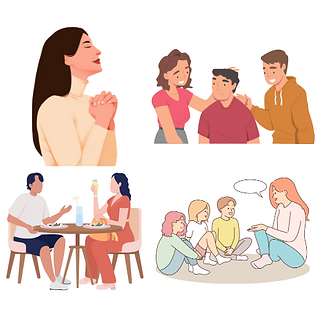
One of the organizing activities that a FAM can deliver is Care Communities. Care Communities are organized groups that efficiently provide various support activities to foster, adoptive, kinship, and vulnerable families. Through this structure, they effectively address multiple needs.

Care Communities operating within Family Advocacy Ministries (FAMs) framework have significantly addressed the pressing needs of those in the system. With alarming statistics showing that 50% of foster families quit within their first year and 80% discontinue by the second year, the introduction of Care Communities has been transformative.

When enveloped by the support of a FAM that includes these Care Communities, a remarkable 90% of foster families continue into their second year. By serving multiple categories of needs—practical and physical, emotional and social, and educational and navigational—these communities offer a holistic approach to assistance.

In states grappling with a high demand for foster homes, like West Virginia, the role of Care Communities is paramount. Facilitated by churches and mentored by organizations such as Chestnut Mountain Village, Care Communities are groups of dedicated church volunteers.

The transformative influence of Care Communities is evident not only in statistics but in the very fabric of the families they support. These communities have proven invaluable in places like West Virginia, with a disproportionate number of children in foster care or kinship arrangements. They create an ecosystem where families find rest, understanding, and camaraderie.

Care Communities follow a tried-and-tested, adaptable model, allowing churches to mold it according to their unique mission and vision. By mobilizing volunteers, they ensure a broad spectrum of support.

Building Strong FAMs: Leadership, Sustainability, and Community

Launching a Family Advocacy Ministry (FAM) within a church setting requires careful consideration and a deep understanding of key principles. As churches embark on this transformative journey, there are essential guidelines to embrace.

Leadership: Establishing leadership early in forming FAMs is foundational. Strong leadership sets the direction and vision for the ministry and acts as a catalyst for growth.

When establishing leadership for a FAM, a strong leader must have ownership of the ministry. Church pastors, while instrumental in endorsing the FAM initiative, are often occupied with numerous other responsibilities. Instead, the torch is passed to “Advocates.” In essence, Advocates are passionate volunteers who champion FAMs ways in their church.

Slow and Sustainable: Sustainability stands at the core of a successful FAM. Churches are encouraged to start with a narrow focus, mastering a few select activities before considering broader outreach. By emphasizing quality over quantity, FAMs can ensure they provide the highest level of care.

Community and People Before Ministry and Process: The essence of FAMs lies in the strength of its community and relationships. While structures, processes, and strategies are essential, they must always be secondary to the people involved.

Transforming Foster Care: A Collaborative Vision of Abundance

For generations, the foster care system has been burdened by a narrative of “not enough”: not enough resources, not enough homes, and not enough support. However, what if communities, inspired by teachings from scriptures and contemporary collaborative principles, could pivot from scarcity to one of abundance?

To do this in our modern context, the transformation of the foster care system beckons a broad and united front. Churches bring moral and spiritual anchoring, Non-profit organizations can offer specialized services and resources, businesses can provide financial backing, and placement agencies, with their intricate knowledge of the system, can work closely with governmental bodies to implement change.

Central to this collaborative venture are four foundational principles:

  • Unifying Direction: Every stakeholder, from churches to businesses, needs to be aligned with a shared vision.
  • Broad Participation: The rejuvenation of foster care requires the active participation of varied entities.
  • Structural Framework: Beyond intent, there’s an inherent need for robust structures that foster cooperation and trust.
  • Following Guided Direction: Strategy and spiritual alignment are paramount. As communities forge ahead, they must remain attuned to spiritual counsel.

Crucially, any successful collaboration hinges on trust. Trust facilitates open dialogue, fosters mutual respect, and accelerates the achievement of goals.

The challenge of reshaping the foster care system is monumental but not insurmountable. Through deliberate collaboration and unwavering trust among different groups, we can shift from a narrative of scarcity to a promising vision of abundance.

Final Word: Hope, Homes, and the Role of the Church in West Virginia

In the conclusion of our “Hope and Homes” series, we stress the imperative role of churches in West Virginia.

Everyone can do something. Whether it be adopting a child, providing respite care, or something as simple as cutting grass, all have a vital role to play.

You do not have to start from the ground, either. You have access to the Family Advocacy Ministries (FAMs), a systematic approach guiding churches in forming Care Communities that offer holistic support to foster and kinship families. Congregational efforts involving various stakeholders — government bodies, businesses, and nonprofits — foster an environment that transcends mere assistance, building resilient support systems.

In this call-to-action, we underline the transformation churches can facilitate, moving from understanding to decisive action. This change orchestrated not just through grand gestures but through everyday acts of kindness. This underscoring the truth — everyone can indeed do something.

For guidance and resources as to how to begin building a FAM in your local church, contact The Village.

Find your something.

How Churches Can Impact West Virginia Foster Care: Hope and Homes Blog Series Part 3

This is the final installment of our three-part Hope and Homes blog series on West Virginia’s foster care challenges, why the Church should be engaged in the issues, and how churches can impact vulnerable children and families practically and meaningfully.

In part one of the Hope and Home series, “West Virginia Children and Families Are Suffering”, we delved into why West Virginia’s foster and kinship care situation is concerning. The state has one of the highest per capita rates of children in foster care, with nearly three times the national average removed due to maltreatment. It also removes children from homes at almost five times the national rate. Many children live in homes led by grandparents or relatives, often due to parental substance abuse. These foster experiences lead to long-term emotional and mental challenges for the children.

In part two, titled “When Children Are Suffering, The Church’s Required Response is Clear,” The Village explored the Church’s role in addressing the challenges faced by foster children. Scriptures emphasize God’s deep concern for vulnerable children and underline the church’s duty to protect and support them. Followers of Christ are encouraged to reflect his love and care, especially for the marginalized. The church, a collective of diverse individuals with distinct gifts, is ideally positioned to provide a nurturing environment for fostering families, kinship, adoptive families, and other vulnerable children and families.

The Question of How to Care

Once churches understand the issues in the Mountain State’s foster care system and reflect on why churches should care for vulnerable children and families, we find that they immediately begin to wonder HOW to become engaged. Churches are often full of people who would love to get involved in the system but do not know where to start.

The purpose of this final post in this series is to show churches how they can become part of the solution to the issues faced by vulnerable children and families in their communities. Let’s start by looking at who can help!

An “Everyone Can Do Something” Philosophy

In many cases, churches engaged in foster care have primarily focused on recruiting foster and adoptive families, a mission epitomized by programs such as “One Church, One Child.” This effort had the singular goal of finding one family in every church across the state to adopt a child.

While the initiative has seen success, it tended to overlook the wider congregation who could not foster or adopt but still harbored a desire to help. This is where the “Everyone Can Do Something” philosophy, detailed extensively in Jason Johnson’s seminal field guide, comes into play.

Drawing from the vivid imagery of 1 Corinthians 12:14-27, it likens the Church to a human body in which every part has a vital role.

 “For the body does not consist of one member but of many… God arranged the members in the body, each one of them, as he chose.”

This analogy lays the foundation for the idea that every individual harbors the potential to contribute through prayer, financial aid, or tangible acts of service.

Furthermore, guided by Romans 12:6-8, this philosophy recognizes the diverse spiritual gifts endowed upon the members of the Body of Christ.

“We have different gifts, according to the grace given to each of us.”

Whether through leadership, teaching, administration, or other forms of service, every individual can leverage their unique gifts to play a pivotal role in the upliftment of the vulnerable.

Moreover, embracing Galatians 6:2 — “Carry each other’s burdens, and in this way, you will fulfill the law of Christ” — the philosophy encourages members to support one another, fostering a culture of mutual aid and inclusivity, further steering away from a sole focus on recruitment to nurturing a community where everyone is empowered to make a meaningful contribution.

This shift towards an inclusive culture reiterates that every gesture carries significant value, no matter its scale. The goal is to foster a Church community where support for the vulnerable is ingrained in its very identity.

Where Should a Church Focus?

Once a church begins to understand and embrace the idea that everyone can do something, the next step becomes precisely what to do. This decision is threefold. Where along the spectrum of child welfare should the church focus, where should the church focus geographically, and, finally, where should the church focus in terms of the types of activities it conducts to help vulnerable children and families.

Where on the Child Welfare Spectrum: Finding a Place Along the River

Jason Johnson presents a helpful analogy in “Everyone Can Do Something.” Imagine a rapidly moving river. Standing on the riverbank are three friends. In this stream are dozens and dozens of children that are being swept downstream. These children are in immense peril and danger of drowning. Although each of these friends sees the same events, their reactions are distinctly different.

The first friend dives into the stream directly before him and pulls the children out of the river. This mid-stream rescue is analogous to churches traditionally involved in foster care and adoption, where they help children who have been removed from homes.

The next friend hurries downstream to see what is happening to those children swept further down the river. These children are nearing a waterfall as this friend pulls them to safety. These downstream rescues are analogous to churches devoted to efforts caring for aging-out foster youth, ministering to the homeless, or assisting the incarcerated.

The third friend chooses to sprint upstream. He learns why they are falling into the water in the first place, and he pulls them out before they are swept over the waterfall. These upstream efforts can be compared to churches that work to help struggling biological and primary families and those children who may be in danger of removal from their family homes.

Yet, for churches, it isn’t about being everywhere or diluting efforts across the river’s entirety. Instead, the crux lies in identifying that particular stretch of the river where their passion resonates most strongly and where they can deploy their resources. Not every church is called to the same mission.

Where in the World: Shrinking the Problem and Making It Local

Once you have found your place in the river, now you have to make it local. As we’ve covered in previous discussions, West Virginia has the largest per capita rate of children in foster care in the United States. With over 6,000 children in care and 40,000 being primarily cared for by kinship caregivers, the numbers are staggering and overwhelming.

However, when the local church becomes engaged in caring for vulnerable children and families, that church is not responsible for each child across the entire state. However, it can be responsible for those children in its own community.

As an example, let’s imagine a small church in Buckhannon, WV. One church could quickly become disillusioned if it focuses on trying to care for all 6,000+ kids in care across the state. However, it could focus on the 67 Upshur County children in care at that point in time. Furthermore, 46 of those children are in kinship care. Assuming 2 children in each kinship home, that amounts to 23 kinship families caring for those children.

Supporting 23 kinship families is something that even a local, small church can work on solving. This is also an important activity because these families are often overwhelmed, isolated, and struggling. Furthermore, if these kinship families become unable to care for these children – then they go into traditional foster care. Keeping kinship families healthy and serving is an incredibly important mission.
In the average West Virginia church, there are substantial odds that there is, at least, one family within its congregants that is caring for a grandchild or a foster child. That family, or those few families already in the church, are the most immediate concern of this local church. Consider if this one small church supports just two families caring for grandchildren – that is nearly 10% of the families in the county who are caring for grandchildren!!

According to the Association of Religion Data Achieves, there were 65 congregations in Upshur County in 2020. It is completely possible for each and every kinship family in the 67 children counted to receive support from a local church.

Where Inside the Church: Integrating Orphan Care into Church Activities

Now that you have your place in the river within the community, what is the next step? You do not have to recreate the wheel. One can begin the work in areas where the church’s heart and passions of its people already lie. In many churches, structures already exist that can be harnessed to advance foster, adoptive, kinship, and vulnerable children and family care. Instead of viewing such care as a specialized, separate domain, it should be integrated into a church’s core activities. For example, if you meet in small groups, create a group around foster care that aligns with the church’s identity. Similarly, leveraging established events and services, such as parent/child dedication or counseling, to focus on foster care can organically amplify the cause.

Family Advocacy Ministries (FAMs):

Meeting Needs through FAMs

As churches begin to embrace new philosophies of caring for vulnerable children and families, they can start to consider the specific methods and models to deploy.

Chestnut Mountain Village guides and equips churches to build Family Advocacy Ministries (FAMs). These ministries are structured ministries designed for churches to actively support and advocate for vulnerable children and families. FAMs are a proven, simplified, step-by-step ministry model that amplifies the Gospel, encourages spiritual progress, and involves the entire church.

While every FAM will be different, each will meet the needs of children in the system. The categories of needs that can be met by Family Advocacy Ministry activities include:

  • Practical and Physical Needs;
  • Emotional and Social Needs; and
  • Educational and Navigational Needs.

FAM Activities: The Multiple Ways that FAMs Can Help

Within each category, there are many activities that a FAM can engage in. Examples of activities within each of these categories are as follows:

Practical and Physical Needs: These activities provide tangible necessities and resources for daily living and well-being (food, clothing, shelter, ECT).

  • Providing Meals: Setting up schedules for church members to provide meals to new foster/adoptive families.
  • Donation Drives and Foster Closets: Organizing collections of essential items such as clothing, school supplies, and toiletries for families.
  • Transportation Assistance: Organizing volunteer drivers to assist families with transport needs. 
  • Lawncare Assistance: Providing help with simple lawncare and gardening activities.
  • Household Chore Assistance: Helping families with simple items like laundry, basic home repairs, and cleaning to lighten the load.
  • Occasional Financial Assistance: Assisting with well-defined financial needs such as emergency situations.
  • A Myriad of Other Activities: Helping with practical and physical needs can include other activities as varied as automobile maintenance and repair, furniture moving, painting, and countless other activities.

Emotional and Social Needs: These activities address the families’ psychological and interpersonal aspects of well-being, encompassing feelings, relationships, social interactions, and a sense of belonging.

  • Encouragement and Prayer: Sending regular texts and making calls or visits to encourage those in the system. Organizing prayer teams to take prayer requests and pray for the families and children.
  • Support Groups: Hosting or facilitating support group meetings for foster, adoptive, and kinship parents within the church community.
  • Parent Mentoring Programs: Pairing experienced foster/adoptive families with those new to the process.
  • Date and Free Nights: Organizing evenings where church volunteers care for children, allowing parents or caregivers a night off. 
  • Childcare and Respite Care: Providing occasional short-term child care or organizing respite care for longer-term childcare needs.
  • Family Events: Organizing social gatherings or outings catering to foster, adoptive, and kinship families.
  • Mentoring Children: Mentoring means to simply establish meaningful relationships and spend time with youth in simple activities like getting ice cream, going to the movies, riding bicycles, etc.

Educational and Navigational Needs: Providing the guidance, training, and information necessary to understand, adapt to, and navigate various systems, processes, and challenges in life.

  • Training Workshops: Offering workshops on topics relevant to fostering, adoption, or kinship care, like trauma-informed care, navigating the school system, or understanding legal rights.
  • Navigational Assistance: Offering guidance in liaising with child welfare, understanding legalities, or finding relevant community services.
  • Advocacy and Awareness Events: Organizing events or campaigns to raise awareness about the needs and challenges of those in the system.
  • Life Skills Training: Working with children and families to improve their skills in managing personal finances, cooking, or maintaining healthy habits.
  • Tutoring for Students: Helping foster, adoptive, kinship, or other vulnerable children with help in specific topics or courses in which they struggle.

Addressing Multiple Needs Through Care Communities

One of the organizing activities that a FAM can deliver is Care Communities. Care Communities are organized groups that efficiently provide various support activities to foster, adoptive, kinship, and vulnerable families. Through this structure, they effectively address multiple needs.

Care Communities operating within Family Advocacy Ministries (FAMs) framework have significantly addressed the pressing needs of those in the system. With alarming statistics showing that 50% of foster families quit within their first year and 80% discontinue by the second year, the introduction of Care Communities has been transformative.

When enveloped by the support of a FAM that includes these Care Communities, a remarkable 90% of foster families continue into their second year. By serving multiple categories of needs—practical and physical, emotional and social, and educational and navigational—these communities offer a holistic approach to assistance.

In states grappling with a high demand for foster homes, like West Virginia, the role of Care Communities is paramount. Facilitated by churches and mentored by organizations such as Chestnut Mountain Village, Care Communities are groups of dedicated church volunteers.

The transformative influence of Care Communities is evident not only in statistics but in the very fabric of the families they support. These communities have proven invaluable in places like West Virginia, with a disproportionate number of children in foster care or kinship arrangements. They create an ecosystem where families find rest, understanding, and camaraderie.

Care Communities follow a tried-and-tested, adaptable model, allowing churches to mold it according to their unique mission and vision. By mobilizing volunteers, they ensure a broad spectrum of support.

Building Strong FAMs: Leadership, Sustainability, and Community

Launching a Family Advocacy Ministry (FAM) within a church setting requires careful consideration and a deep understanding of key principles. As churches embark on this transformative journey, there are essential guidelines to embrace.

Leadership: Establishing leadership early in forming FAMs is foundational. Strong leadership sets the direction and vision for the ministry and acts as a catalyst for growth.

When establishing leadership for a FAM, a strong leader must have ownership of the ministry. Church pastors, while instrumental in endorsing the FAM initiative, are often occupied with numerous other responsibilities. Instead, the torch is passed to “Advocates.” In essence, Advocates are passionate volunteers who champion FAMs ways in their church.

Slow and Sustainable: Sustainability stands at the core of a successful FAM. Churches are encouraged to start with a narrow focus, mastering a few select activities before considering broader outreach. By emphasizing quality over quantity, FAMs can ensure they provide the highest level of care.

Community and People Before Ministry and Process: The essence of FAMs lies in the strength of its community and relationships. While structures, processes, and strategies are essential, they must always be secondary to the people involved.

Transforming Foster Care:

A Collaborative Vision of Abundance

For generations, the foster care system has been burdened by a narrative of “not enough”: not enough resources, not enough homes, and not enough support. However, what if communities, inspired by teachings from scriptures and contemporary collaborative principles, could pivot from scarcity to one of abundance?

To do this in our modern context, the transformation of the foster care system beckons a broad and united front. Churches bring moral and spiritual anchoring, Non-profit organizations can offer specialized services and resources, businesses can provide financial backing, and placement agencies, with their intricate knowledge of the system, can work closely with governmental bodies to implement change.

Central to this collaborative venture are four foundational principles:

  • Unifying Direction: Every stakeholder, from churches to businesses, needs to be aligned with a shared vision.
  • Broad Participation: The rejuvenation of foster care requires the active participation of varied entities.
  • Structural Framework: Beyond intent, there’s an inherent need for robust structures that foster cooperation and trust.
  • Following Guided Direction: Strategy and spiritual alignment are paramount. As communities forge ahead, they must remain attuned to spiritual counsel.

Crucially, any successful collaboration hinges on trust. Trust facilitates open dialogue, fosters mutual respect, and accelerates the achievement of goals.


The challenge of reshaping the foster care system is monumental but not insurmountable. Through deliberate collaboration and unwavering trust among different groups, we can shift from a narrative of scarcity to a promising vision of abundance.

Final Word: Hope, Homes, and the Role of the Church in West Virginia

In the conclusion of our “Hope and Homes” series, we stress the imperative role of churches in West Virginia.

Everyone can do something. Whether it be adopting a child, providing respite care, or something as simple as cutting grass, all have a vital role to play.

You do not have to start from the ground, either. You have access to the Family Advocacy Ministries (FAMs), a systematic approach guiding churches in forming Care Communities that offer holistic support to foster and kinship families. Congregational efforts involving various stakeholders — government bodies, businesses, and nonprofits — foster an environment that transcends mere assistance, building resilient support systems.

In this call-to-action, we underline the transformation churches can facilitate, moving from understanding to decisive action. This change orchestrated not just through grand gestures but through everyday acts of kindness. This underscoring the truth — everyone can indeed do something.

For guidance and resources as to how to begin building a FAM in your local church, contact The Village.

Find your something.

contact the village

Chestnut Mountain Village

Finding Strength in Faith: Improving Child Welfare Personnel Issues

Child protection agencies across the nation have been grappling with workforce challenges for years. High staff turnover and personnel vacancies directly affect the effectiveness of these agencies, hindering family support and permanency outcomes.

Research shows that when caseworkers change, the chance that a child ends up in a permanent, loving home after foster care drops from 74.5% to 17.5%.

Churches can play a significant role in addressing child welfare workforce challenges by providing support and resources to both child protection workers and the children and families they serve.

This video features West Virginia Bureau of Social Services Commissioner, Jeff Pack, Mission West Virginia Frameworks Director, Rachel Kinder, and Chestnut Mountain Village Director, Greg Clutter, in a discussion about how churches and faith-based organizations can impact child welfare personnel challenges.

Chestnut Mountain Village (‘The Village’), a ministry of Chestnut Mountain Ranch, is dedicated to creating Christ-centered communities to provide hope and homes for vulnerable kids and families. To do this, The Village guides and equips West Virginia churches to care for vulnerable children and families by providing a proven, step-by-step ministry model that amplifies the Gospel, nurtures spiritual growth, and involves the entire church. These vulnerable children and families include those impacted by foster care.
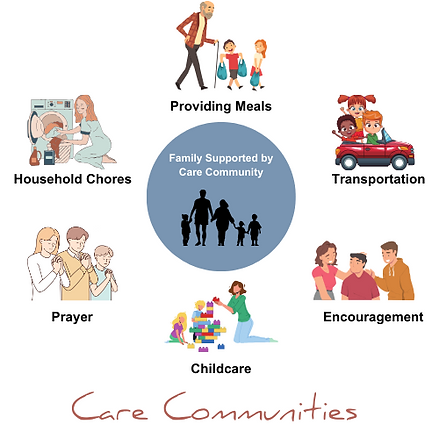
A Video Tribute to West Virginia’s Child Welfare Professionals

We extend our heartfelt gratitude to child welfare professionals in West Virginia. Your tireless commitment is seen and valued. This video is a tribute celebrating you. Your efforts make a world of difference to the children and families of West Virginia. Thank you.

National Hospitality Week is a collaborative effort among churches and organizations to show appreciation to child welfare workers across the country. This week is an opportunity to demonstrate radical love in action to those who are on the front lines serving vulnerable children and families. In West Virginia, where the need is especially high, National Hospitality Week aims to make a meaningful impact on child welfare professionals who are facing high turnover rates and challenging situations. Through simple acts of kindness and support, churches and individuals will contribute to the well-being and morale of these dedicated professionals. Churches and organizations in several West Virginia communities will be demonstrating hospitality to West Virginia’s dedicated and passionate child welfare workers during October.

National Hospitality Week is Oct 15-21: Honoring the Unsung Heroes of Child Welfare

It is no secret that child welfare is incredibly challenging in West Virginia. The number of West Virginia children in care remains the highest per capita in the nation and thousands of the state’s children are being primarily raised by family members who are not their parents. On top of these difficult statistics, West Virginia Child Protective Services consistently deals with high turnover and vacancy rates among its child welfare professionals.

Did you know that when a child in foster care experiences a change in their caseworker, their chances of finding a permanent home drop dramatically from 74.5% to just 17.5%? It’s a heart-wrenching statistic that we can’t ignore.

Enter National Hospitality Week!

From October 15-21, Chestnut Mountain Village, in partnership with various organizations and churches, is bringing National Hospitality Week to West Virginia. The initiative is all about showering our hard-working child welfare professionals, especially those tireless CPS workers in West Virginia, with gratitude and support.

Why, you ask?

Well, when these professionals feel appreciated and seen, they’re less likely to leave their roles. This means more stability for the children who desperately need it.

How Can You Pitch In?

Spread the Word: Talk about it! Share this blog post, tweet about it, or bring it up in your church or with other organizations.

Connect Locally: Organize or participate in events in your area that recognize and appreciate child welfare professionals. Let them know that their efforts don’t go unnoticed.

Engage Online: Visit the National Hospitality Week website to dive deeper. You can register, access resources, or gather ideas to enhance your involvement.

Join Hospitality Week with The Village: Interested in participating in West Virginia? The Village can assist you in kickstarting your journey, linking with local CPS offices and other community members already championing National Hospitality Week. To contact The Village:

  • Drop a line to The Village at melissa@chestnutmountainranch.org or
  • Click below and check “National Hospitality Week” on The Village contact form.
Contact the village about hospitality week

By getting involved in National Hospitality Week, we’re taking a collective step forward. It’s more than just a pat on the back for these professionals—it’s about ensuring that every child in the foster system has a fighting chance at a brighter future.

Let’s rally together for this cause!

Thank you for reading and or being a part of this National Hospitality Week. 🌟

Chestnut Mountain Village

Embark on a Transformative Journey at the ALL IN Fostering Futures National Foster Alumni Retreat

2023 National Retreat Being Held In West Virginia

Are you a young adult, age 18 to 30+, who has experienced foster care? If so, we have exciting news for you! The ALL IN Fostering Futures National Foster Alumni Retreat is coming to Camp Appalachia in West Virginia from September 14-17, 2023.

This unique retreat is tailored exclusively for individuals who have lived through the foster care system.

Imagine a space where you can connect with fellow foster care alumni, build lasting relationships, and acquire essential life skills. The retreat offers a blend of workshops, team-building activities, and even moments for relaxation and reflection. It’s an opportunity to find camaraderie, support, and resources to enhance your journey.

Not only is this retreat for alumni, but we also encourage those who work with or support young adults transitioning from foster care to spread the word. This inclusive experience is designed to empower, uplift, and inspire. Don’t miss out—download the attached brochure for registration details and mark your calendar for a memorable journey of growth and connection at the ALL IN Fostering Futures Retreat.

Embark on a Transformative Journey at the ALL IN Fostering Futures National Foster Alumni Retreat

2023 National Retreat Being Held In West Virginia

Are you a young adult, age 18 to 30+, who has experienced foster care? If so, we have exciting news for you! The ALL IN Fostering Futures National Foster Alumni Retreat is coming to Camp Appalachia in West Virginia from September 14-17, 2023.

This unique retreat is tailored exclusively for individuals who have lived through the foster care system.

Imagine a space where you can connect with fellow foster care alumni, build lasting relationships, and acquire essential life skills. The retreat offers a blend of workshops, team-building activities, and even moments for relaxation and reflection. It’s an opportunity to find camaraderie, support, and resources to enhance your journey.

Not only is this retreat for alumni, but we also encourage those who work with or support young adults transitioning from foster care to spread the word. This inclusive experience is designed to empower, uplift, and inspire. Don’t miss out—download the attached brochure for registration details and mark your calendar for a memorable journey of growth and connection at the ALL IN Fostering Futures Retreat.

DOWNLOAD REGISTRATION INFORMATION AND LINK

  • Page 1
  • Page 2
  • Go to Next Page »

Chestnut Mountain Village

Copyright © 2026 Chestnut Mountain Village · All Rights Reserved
Chestnut Mountain Village is an initiative and registered DBA Tradename of Chestnut Mountain Ranch, Inc., a nonprofit organization recognized by the IRS as a tax-exempt 501(c)(3). EIN: 20-1614712. All donations are tax deductible as allowed by law.